A Clearer Path to Treatment
Clear aligners offer adults a removable way to gradually straighten teeth. A series of custom-made trays fits over the teeth and is changed according to a dentist’s treatment plan. Invisalign is one such option, but it is not right for every person or every alignment concern.
Treatment time, comfort, and cost depend on factors such as dental health, the movements needed, and how consistently the trays are worn. At V Dental in Live Oak, iTero 3D scanning and personalized treatment planning can help inform a discussion about suitability and next steps.
Before choosing, consider whether aligners fit your daily routine, what payment options may be available, and how retainers help maintain results after treatment. A dental evaluation can help clarify these decisions.
How Aligners Move Teeth
 Invisalign uses a series of custom-made, removable trays to guide teeth toward positions set out in an individualized plan. Each tray applies gentle pressure to selected teeth, and the surrounding bone changes as teeth move. Clear aligners can address several alignment concerns, but the movements required determine whether they are suitable.
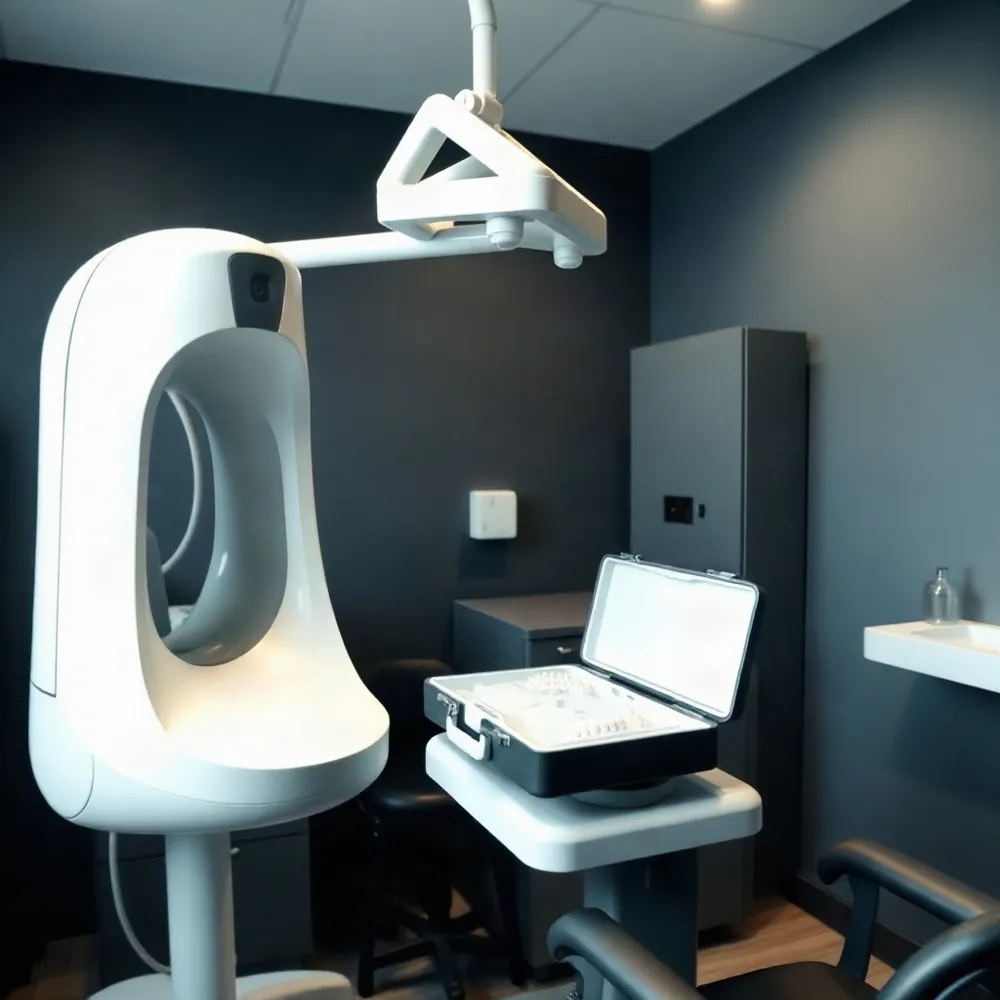
Treatment starts with a dentist assessing your teeth, bite, gums, and overall dental health. A digital 3D scan can help plan tooth movements and show a possible result. At V Dental in Live Oak, iTero 3D scanning supports this planning process, while the dentist develops recommendations around each patient’s needs.
When the first aligners are ready, the dentist checks their fit and explains how to wear and care for them. Follow-up visits let the dentist monitor progress and make adjustments. Some plans also use small, tooth-colored attachments to help guide particular movements.
Adults, including older adults, may be candidates; age alone does not determine suitability. Healthy teeth and gums and the complexity of the case matter. Cavities or gum disease may need attention first, while restorations or missing teeth can affect planning without automatically ruling out aligners. V Dental creates personalized treatment plans after assessing these factors. A dental professional can determine whether aligners or another approach best fits your needs.
Daily Wear and Comfort
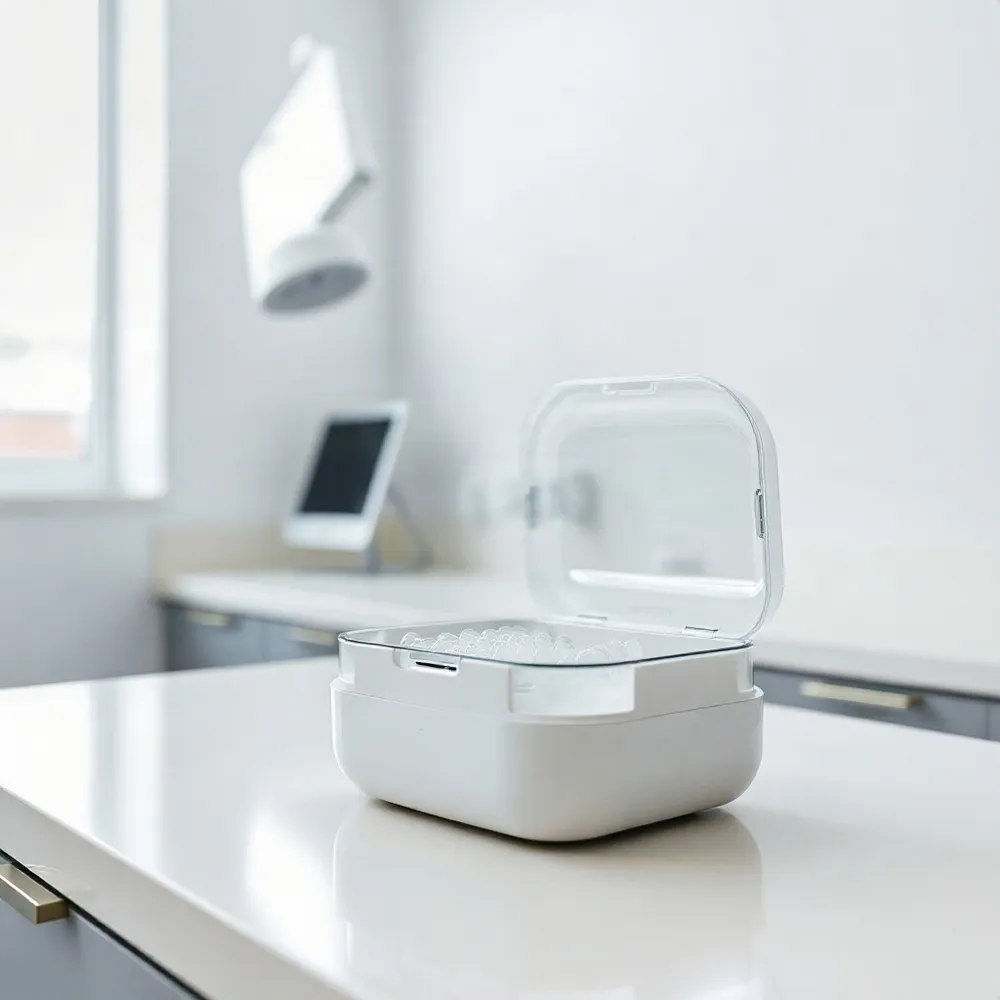 Removable aligners fit around meals and oral care, but the routine takes consistency. Most treatment plans call for wearing them 20 to 22 hours a day, removing them to eat, drink anything other than water, and brush and floss. The American Association of Orthodontists’ clear aligner guidance also stresses consistent wear to keep treatment on track.
The often-mentioned “30-minute rule” is informal, not a universal Invisalign requirement. It is a reminder that long breaks can make it harder to reach the daily wear target. After eating, clean your teeth before putting the trays back in, and follow your dentist’s instructions for your specific plan.
Keep the aligners clean, too. If a tray is lost or damaged, contact your dental office for instructions rather than switching to another tray on your own. V Dental uses iTero 3D scanning and creates personalized treatment plans, supporting an evaluation that accounts for your teeth and treatment needs.
New or replacement aligners may cause pressure, tightness, or mild soreness, which often eases within a day or two. Some adults also notice a temporary speech change, difficulty removing a snug tray, or gum irritation. Experiences vary, so ask your dentist what to expect in your case.
The main drawback is the discipline removable trays require: they must be taken out for meals and drinks other than water, then promptly reinserted. They can also be misplaced or damaged, and inconsistent wear may delay progress. V Dental’s convenient appointments in Live Oak can support follow-up, but your dentist should advise you about discomfort or a missing tray.
Comparing Aligners With Braces
For adults comparing Invisalign with braces, the main differences are visibility, removability, and the kind of orthodontic movement needed. V Dental offers Invisalign treatment with personalized planning and iTero 3D scanning, while fixed braces use brackets and wires attached to the teeth.
Clear aligners are less noticeable and can be taken out for meals, brushing, and flossing. With braces, patients may need to avoid some foods that could damage the hardware and take extra care when cleaning around brackets and wires. The American Association of Orthodontists’ guidance on clear aligners notes that aligners can address several common alignment concerns, but suitability depends on the movements required.
Removability also calls for consistency: aligners generally need to be worn for 20 to 22 hours each day, following the clinician’s instructions. Braces stay in place and work continuously, so progress does not depend on remembering to put them back in after eating or cleaning.
Some complex tooth movements or bite problems may be better suited to braces. Neither option is universally more comfortable or faster, and treatment time and experience vary by case. A dental evaluation can help weigh your orthodontic needs, lifestyle, and ability to follow instructions before choosing.
Treatment Time and Bite Correction
For adults, Invisalign treatment may take several months to a few years. The timeline depends on the movements needed, case complexity, aligner type, and how consistently you follow your wear schedule. The American Association of Orthodontists notes that treatment length and the number of trays vary by a patient’s orthodontic needs, and that aligners are not suitable for every case (clear aligner guidance).
Some patients notice visible changes within weeks, but that does not predict when a bite concern will improve. Invisalign may correct certain overbites by gradually repositioning teeth; whether it can address yours depends on the bite and the extent of correction required. V Dental uses iTero 3D scanning to support a personalized treatment plan, though an examination is needed to estimate your individual timeline.
Regular check-ins let your dentist assess whether teeth are tracking as planned and discuss any changes to expectations. Some patients also receive refinement aligners to fine-tune tooth positions. Refinements do not necessarily mean treatment has failed; they can be part of completing the planned movements.
A dental evaluation can determine whether aligners are appropriate and provide a more useful estimate than a general timeline. Consistent wear, often about 20 to 22 hours a day, supports progress; remove aligners for meals and oral hygiene, then follow your dentist’s instructions for putting them back in.
Costs Insurance and Payment Options
How much does Invisalign cost, and what affects the price? A broad estimate is about $3,000 to $8,000 or more before insurance, but this is not a quote or a guaranteed price. Mild cases may cost less, while more involved tooth movement or bite correction may raise the total. Provider fees and local costs also affect the amount.
The estimate can depend on the number of aligners and treatment duration, as well as what the fee includes. Ask whether consultations, follow-up visits, refinement trays, and retainers are part of the quoted total or billed separately. V Dental uses iTero 3D scanning and personalized treatment plans, which can help inform a discussion of the care and costs specific to your case.
Does dental insurance cover Invisalign for adults, and can an FSA help pay for it? Some plans apply orthodontic benefits to clear aligners, but adult eligibility, coverage limits, waiting periods, and preapproval rules vary. Check the policy details with your insurer and ask the dental office to verify the expected benefit before treatment begins.
A flexible spending account may help pay eligible orthodontic expenses, but employer plan rules, available funds, and deadlines apply. Confirm eligibility and documentation requirements with the plan administrator. Financing or monthly payment plans may also be available, with terms that vary by provider. V Dental offers flexible financing, so patients can discuss possible payment arrangements alongside their estimated treatment costs.
Request a written estimate that states what services are included, the expected insurance contribution, the remaining balance, and available payment options. Treat any insurance estimate as provisional until your insurer confirms the benefits.
Retainers and Long Term Results
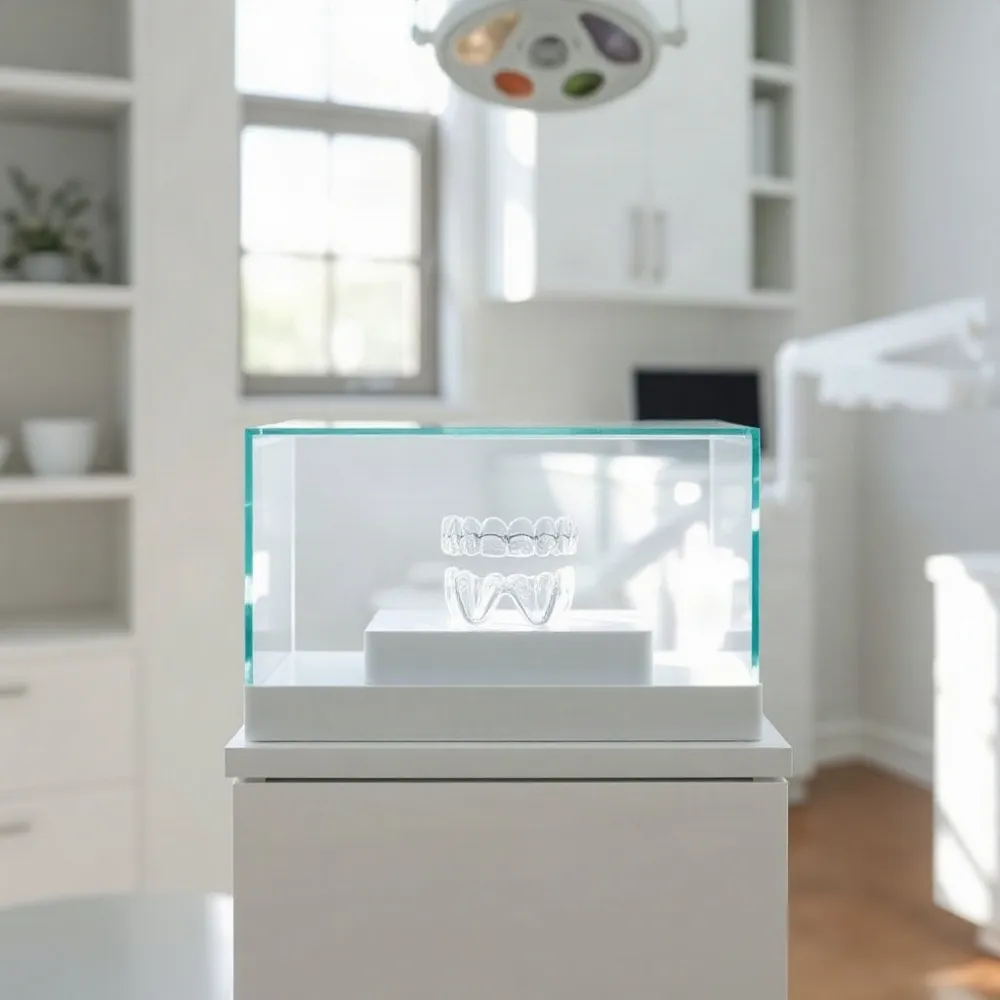 How long do you need to wear a retainer after Invisalign treatment? Teeth can shift after active treatment, so retainers help maintain their new positions. A removable retainer may be worn for much of the day at first, then at night as directed. A fixed retainer, bonded behind the teeth, provides ongoing support. The right schedule depends on your teeth and retainer type, so follow your dental professional’s instructions rather than assuming one routine fits everyone.
What should adults know before starting Invisalign? An evaluation can confirm whether aligners suit your needs and identify any dental care to complete first. Ask about candidacy, estimated treatment time, total cost, insurance coverage, follow-up visits, and the retention plan. Aligners require consistent wear and may cause temporary pressure as teeth move. The American Association of Orthodontists’ guidance on clear aligners also emphasizes that suitability and treatment depend on the individual case.
At V Dental in Live Oak, patients can discuss these questions alongside the practice’s iTero 3D scanning and personalized treatment planning. A consultation can help clarify the proposed process and expectations without assuming a particular result or schedule.
Make an Informed Personal Choice
Clear aligners can offer adults a removable, discreet way to straighten teeth, but they are not right for every case. An orthodontist can assess whether aligners, braces, or another approach suits your needs, as the American Association of Orthodontists explains.
Discuss your goals, bite, oral health, daily wear routine, expected costs, and retainer plan with a dental professional. For patients in Live Oak and nearby communities, V Dental offers iTero 3D scanning and personalized treatment planning, along with flexible financing to discuss during a consultation.