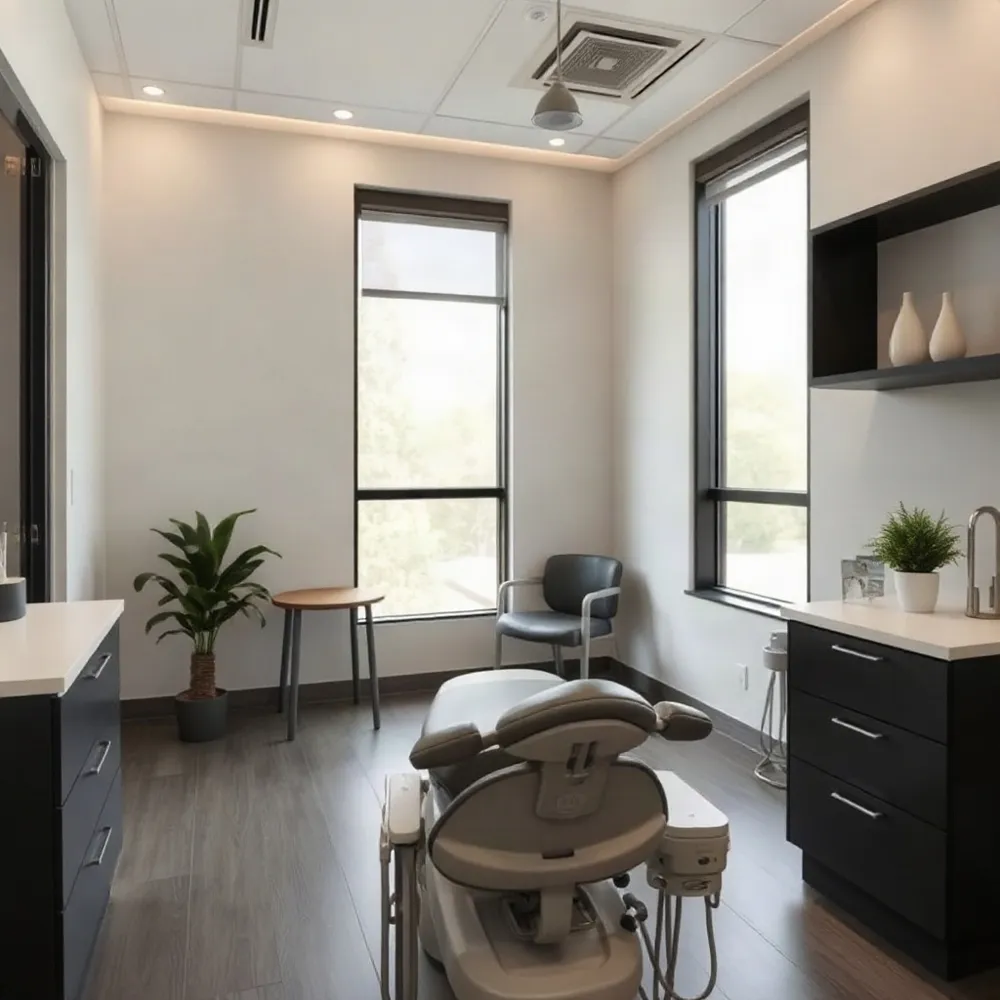
A Visit for Answers and Planning
A first dental implant consultation is a chance to understand your options, not an implant-placement appointment or a commitment to treatment. You can ask questions, discuss concerns, and take time to consider the recommendations.
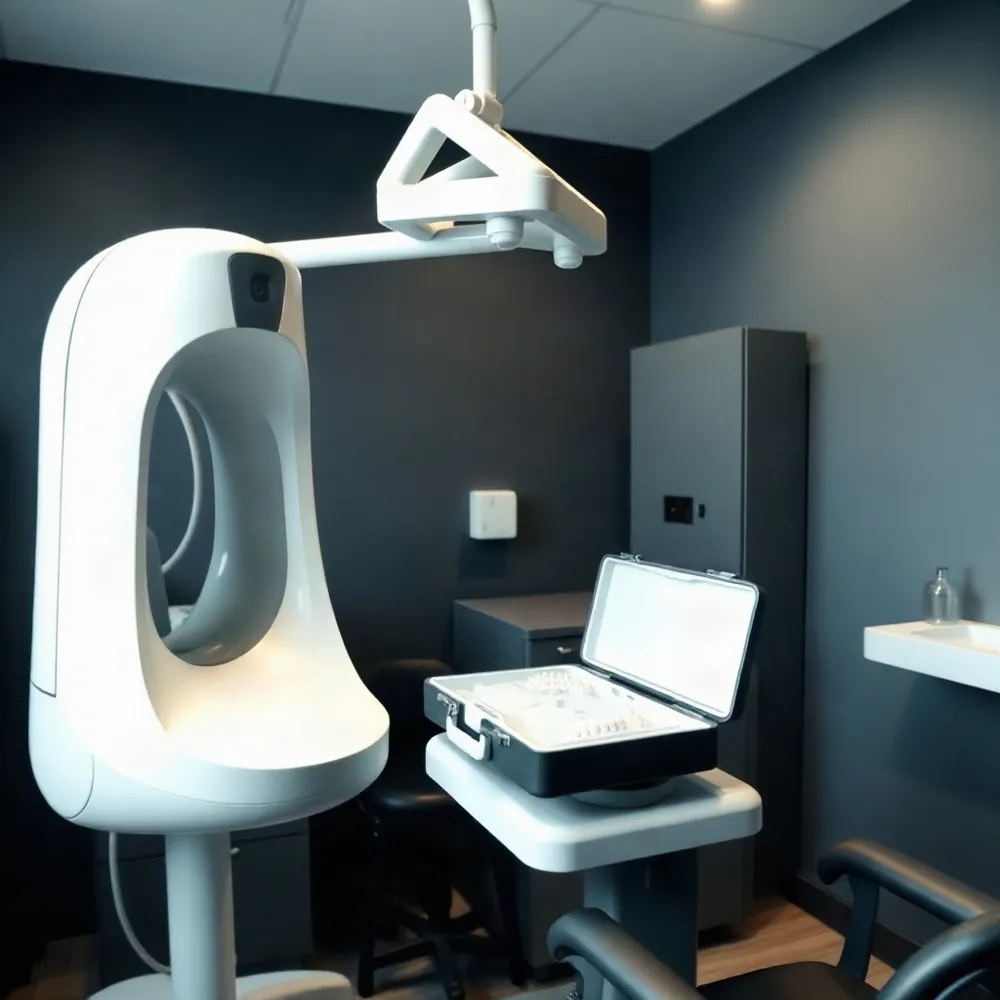
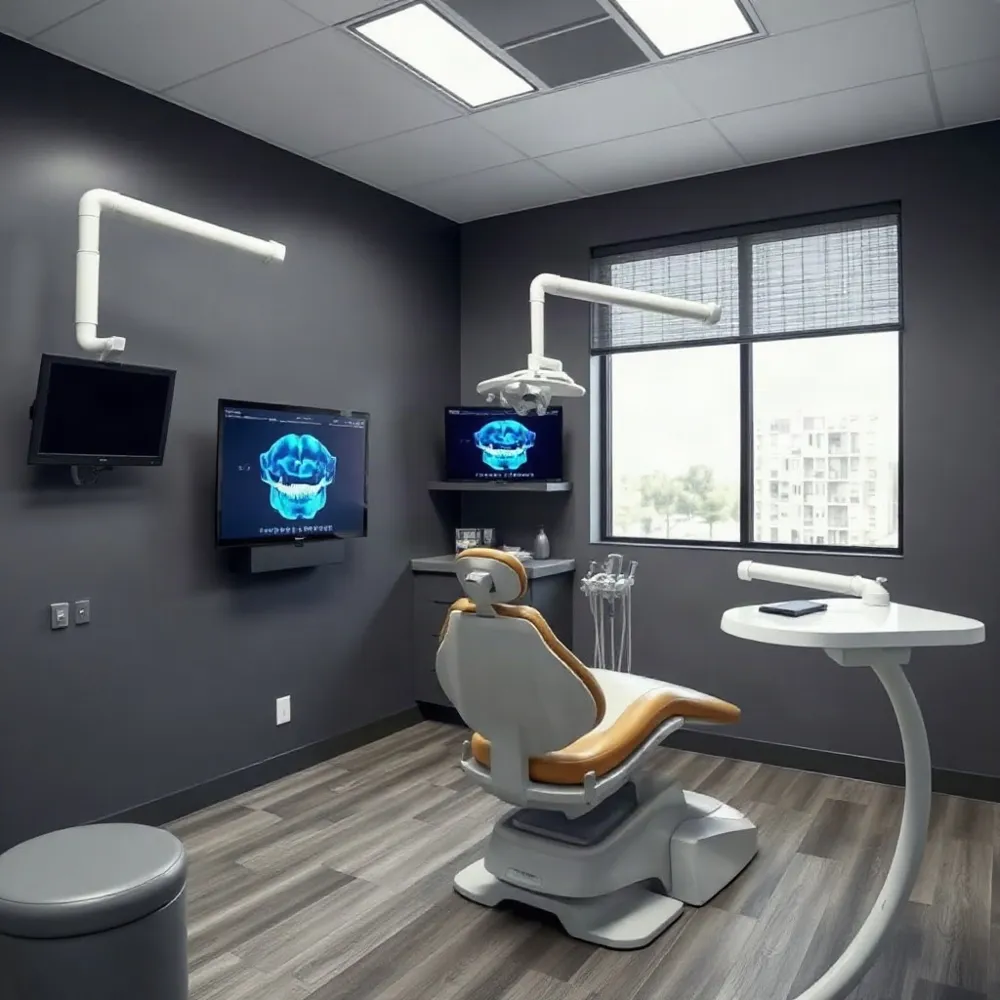
The dentist will typically review your medical and dental history, examine your teeth and gums, and assess the area where a tooth is missing. X-rays or three-dimensional imaging may help evaluate the jaw and guide planning. V Dental has CBCT 3D imaging and digital X-rays available as part of its practice technology.
The next steps depend on your health, oral anatomy, and goals. Your dentist may discuss whether an implant is suitable, whether preparation is needed, and what alternatives could fit your needs. The visit is an opportunity to leave with a clearer understanding of the proposed plan and questions still to consider.
What Happens During the Consultation
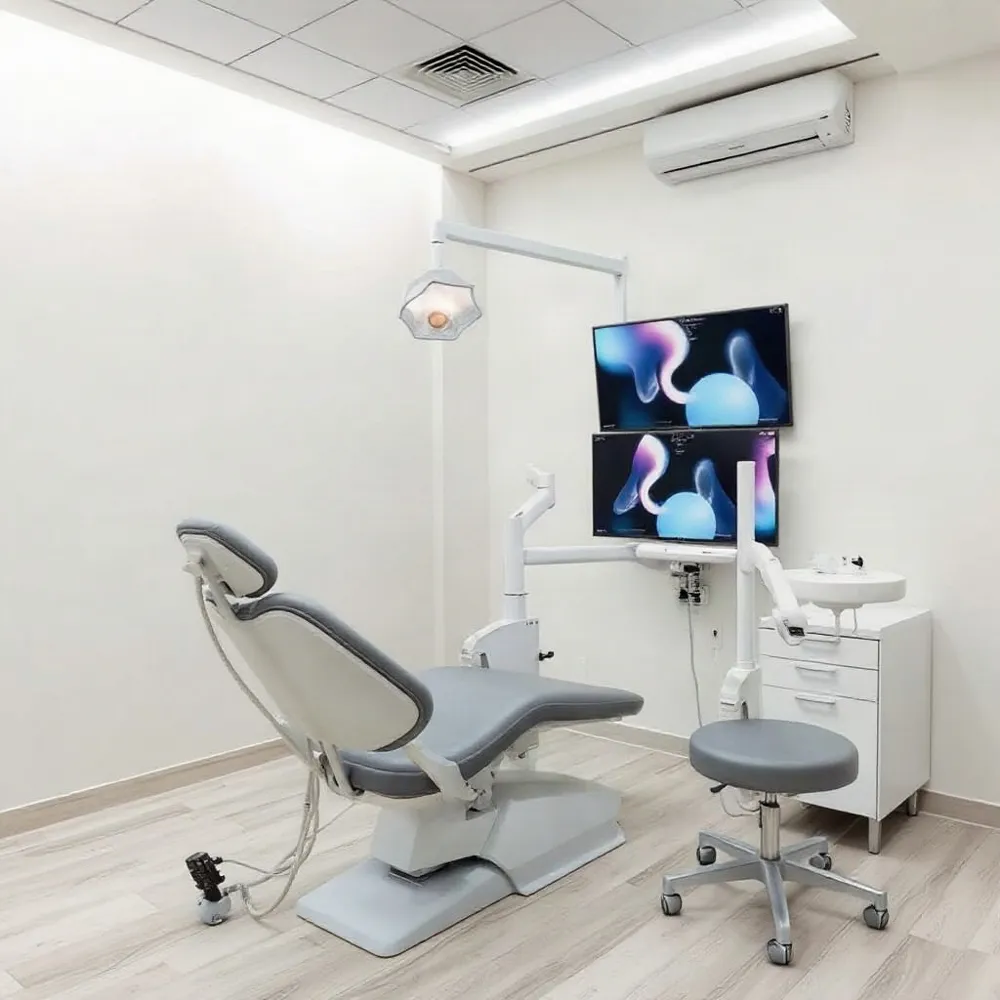 The consultation is a conversation as well as an examination. Explain what you hope to change, whether that means chewing more comfortably, improving appearance, or understanding treatment timing and budget. The team can use these priorities to shape a plan around your needs. At V Dental, personalized treatment planning is part of the practice’s approach.
Your dentist may review your medical and dental history, previous procedures, available records, medications, supplements, and allergies. Mention habits such as smoking or teeth grinding, too. These details can help the team understand factors that may affect treatment planning and healing. The American Academy of Implant Dentistry’s consultation guide describes history review and discussion of patient goals as common parts of an initial visit.
The examination may include your teeth, gums, bite, and jaw. The dentist will look for concerns such as infection or gum disease that may need attention before implant treatment. Digital X-rays or 3D imaging may also help assess the area and inform planning. V Dental lists CBCT 3D imaging and digital X-rays among its available diagnostic tools.
After reviewing the findings, the dentist can explain whether implants appear appropriate, what alternatives may be worth considering, and whether another treatment should come first. The discussion may also cover the stages of care, visits, and follow-up. Bring your questions, take notes if useful, and ask for clarification whenever something is unclear.
The consultation is for assessment and planning, not implant placement. Preparatory procedures or implant surgery generally take place at a later appointment. You can take time to consider the recommendations and ask follow-up questions before deciding whether to proceed.
How Candidacy Is Evaluated
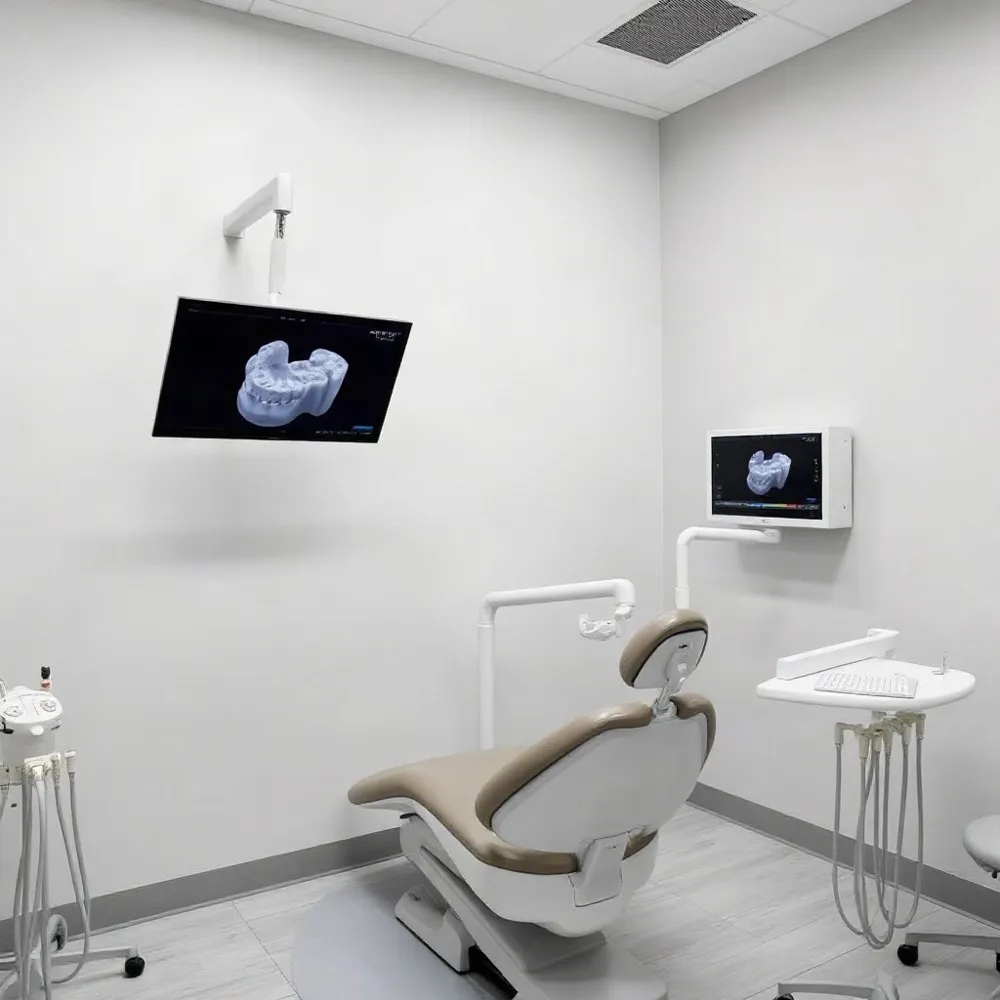 There is no single checklist that determines whether someone can receive dental implants. A dentist considers gum health, the amount and quality of jawbone, the missing tooth’s location, bite, overall health, and the patient’s goals. At V Dental, CBCT 3D imaging and digital X-rays can support this individual assessment.
Active gum disease, infection, or other oral-health problems may need attention before implant treatment. If the jawbone cannot adequately support an implant, the dentist may discuss bone grafting or another preparatory approach. These findings do not always rule out implants; they may affect what treatment comes first. The American Academy of Implant Dentistry’s consultation guide describes how an examination and imaging help inform an individualized plan.
Share relevant health conditions, medications, and habits with the dental team. Diabetes, some immune or bleeding conditions, smoking, and teeth grinding may affect planning or healing. Depending on the circumstances, the dentist may discuss precautions, treating an oral-health concern first, or seeking medical clearance. These factors do not automatically make implants unsuitable for everyone.
Age alone does not determine eligibility, though the jaw should be fully developed and the ability to heal matters. Implants also require ongoing oral hygiene and professional follow-up. If implants are not suitable or are not the patient’s preference, a bridge or denture may be considered instead.
Imaging and Implant Position
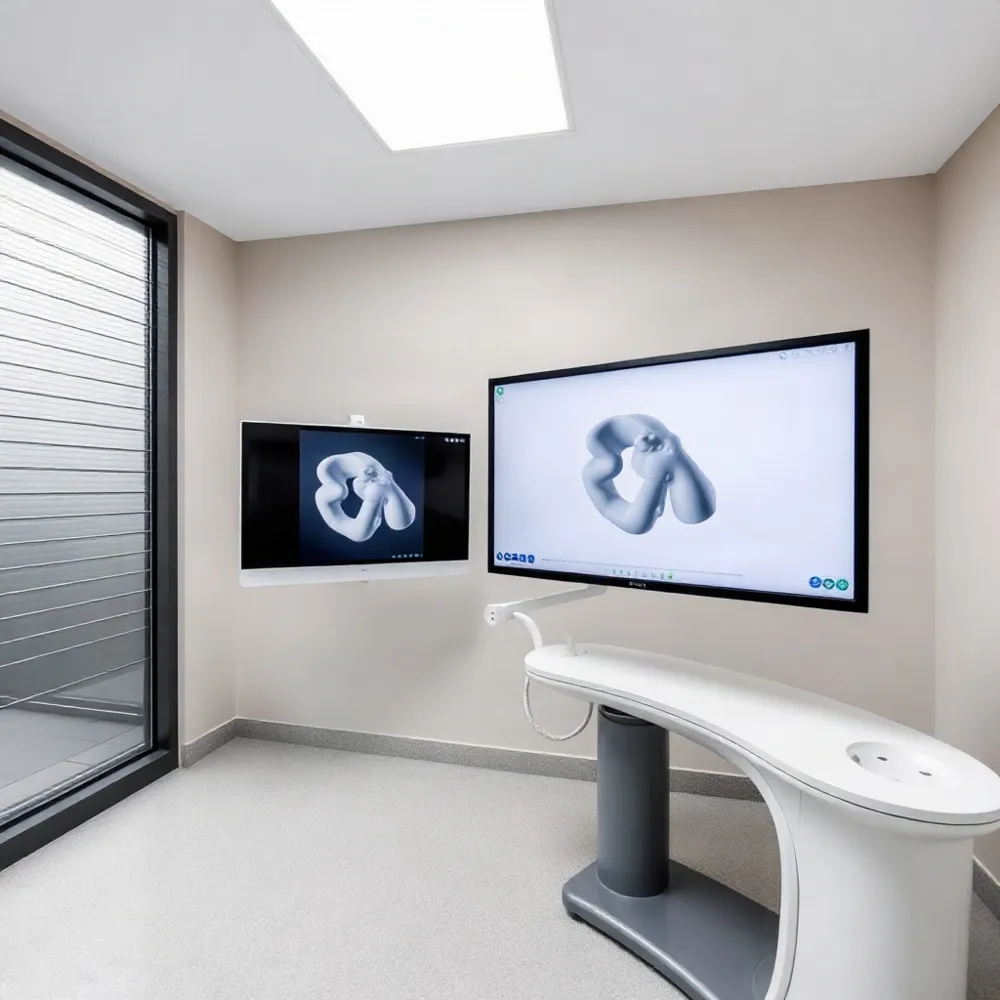 Imaging helps the dentist assess the proposed implant site and plan where the implant should sit in the jaw. Digital dental X-rays can show important details, while cone-beam computed tomography (CBCT) provides a three-dimensional view when additional detail is appropriate. V Dental uses digital X-rays and CBCT 3D imaging as part of its available technology, supporting discussion of a patient’s individual anatomy.
A CBCT scan can help show bone height and width and the position of nearby structures, including nerves and sinuses. The findings can inform implant placement and whether further planning is needed. Not every patient needs the same imaging, so the dentist recommends studies based on the examination and treatment needs. The American Academy of Implant Dentistry’s overview of an initial consultation describes how imaging may contribute to an individualized plan.
Photographs, impressions, or digital scans may also document the teeth and help plan how the implant will support its final restoration. V Dental’s intraoral cameras and iTero 3D scanning are additional tools available to document a patient’s mouth and support treatment planning.
What is the 3/2 rule for dental implants?
The 3/2 rule is a general spacing guideline: plan about 3 mm between neighboring implants and about 2 mm between an implant and a natural tooth. These measurements refer to the implants’ positions in the jaw, not the visible crowns. Appropriate spacing can help preserve the bone and gum tissue between sites.
The guideline is not a universal requirement. Bone volume, nearby anatomy, the planned restoration, and the patient’s goals all affect placement. Imaging helps the dentist assess those factors and choose a plan for the individual case, rather than applying a fixed spacing rule to everyone.
Treatment Choices, Timing, and Costs
The right replacement depends on how many teeth are missing, the condition of the surrounding teeth and jaw, and your goals. Options may include a single implant with a crown, an implant-supported bridge, or implant-supported dentures. A conventional bridge or removable denture may also be worth discussing if implants are not suitable or do not match your preferences.
Ask the dentist to explain the recommended sequence. Treatment may begin with care for gum or other oral-health concerns, or a bone graft if needed. Implant placement is followed by a healing period; later, an abutment connects the implant to a crown or another restoration. The plan may also include a temporary crown or denture during healing, depending on the case. The American Academy of Implant Dentistry’s overview of an initial consultation notes that the proposed stages and timing vary by patient and provider.
Expect the process to span several months in many cases, but do not rely on a single standard timeline. Healing, grafting, the number of teeth involved, and the chosen approach can all affect when the final restoration is ready. V Dental uses personalized treatment plans, so patients can ask how the proposed sequence fits their clinical findings.
It is reasonable to ask who will place the implant and who will make the restoration, what implant-specific training and experience the clinicians have, and what risks apply to your situation. Ask what outcomes are realistic and what the team would recommend if healing or integration does not proceed as expected.
Request an itemized estimate that identifies what is included, such as imaging, implant placement, the abutment, restoration, and any preparatory care. Check coverage and out-of-pocket costs with your insurer, then ask the practice about available payment or financing options. Confirm eligibility, fees, and terms directly with both the practice and insurer.
Preparing for Treatment and Recovery
A little preparation can make the consultation more useful. Bring a current list of medicines and supplements, relevant health information, any dental records or imaging you have, insurance details, and written questions. The visit is a chance to discuss your goals and understand possible next steps, not a commitment to treatment. The AAID’s overview of an initial consultation also notes that recommendations and the consultation experience vary by patient and dentist.
Tell the dental team about medical conditions, allergies, previous dental treatment, smoking, and other habits that could affect planning or healing. Ask whether an extraction, bone graft, or other care may be needed first, and what the treatment stages, expected timeline, costs, anesthesia or sedation options, and recovery may involve. At V Dental, CBCT 3D imaging can support planning discussions, while flexible financing is available to discuss. Confirm the specific options and terms that apply to your plan.
Consultation instructions are not the same as surgery instructions. Follow the treating team’s directions about medicines, eating, and drinking before a procedure. Do not stop or change a prescribed medicine without guidance from your dentist and, when appropriate, the prescribing clinician. If sedation is planned, ask whether you need someone to drive you home. You can also prepare by keeping your teeth and gums clean and having soft foods ready if your team recommends them.
Ask what to expect after surgery. Discomfort is often most noticeable soon after the procedure, and swelling may increase before it begins to ease. An implant site or new crown can feel unfamiliar at first, particularly when biting or chewing; tell your dentist if the feeling worsens or does not improve. Follow your recovery instructions, including any initial soft-food guidance, and contact the dental team about severe or worsening pain, fever, pus, or other concerning symptoms.
Leave With a Plan You Understand
Before deciding whether to proceed, make sure you understand what the examination found, which options are available, and why a particular plan is recommended. A consultation should leave room for questions, not pressure to make an immediate choice. The American Academy of Implant Dentistry’s consultation guide also encourages patients to ask questions and follow up with the office afterward.
Ask the dental team to explain the risks that apply to your situation, the expected timing, and what the estimate includes. At V Dental, personalized treatment planning and flexible financing are part of the practice’s stated approach, but confirm the details of your proposed care and payment options directly with the team.
If questions come to mind after the visit, contact the office before making a decision. A clear plan should help you compare your choices and understand the next step.