Choosing Care You Can Rely On
Choosing a family dentist involves more than finding the closest office or the lowest price. The practice should fit your household’s needs, communicate clearly, and make it practical to return for ongoing care. The American Dental Association describes this relationship as a dental home, a familiar place for routine visits, procedures, and dental emergencies (ADA guidance on choosing a dentist).
A useful comparison starts with practical fit and credentials, then considers whether the dentist listens, explains options, and earns your trust. V Dental in Live Oak offers preventive care, emergency services, and personalized treatment plans, factors families can weigh against their own needs.
Before treatment begins, ask about recommendations, alternatives, expected costs, and how the office handles urgent concerns. Confirm whether the practice accepts your dental benefits and what payment options are available. These checks can help you choose a dental home that supports care over time, not just a single appointment.
Start With Fit and Practical Needs
 When choosing a dentist, look for an active state license, relevant experience, and services that match your needs. The American Dental Association also recommends considering practical access, communication, and whether a practice can serve as a familiar dental home for routine care and emergencies.
Family dentistry and general dentistry often overlap in preventive and restorative care. The family label may indicate that a dentist treats people at different life stages, but it does not guarantee a particular age range or service. Ask whether the practice sees each family member and can address their specific needs.
Consider how easily you can reach the office from home, work, or school, whether its hours fit your schedule, and what happens when urgent care is needed. If anyone in the family needs translation or interpreter services, or has dental anxiety, ask how the team can accommodate them.
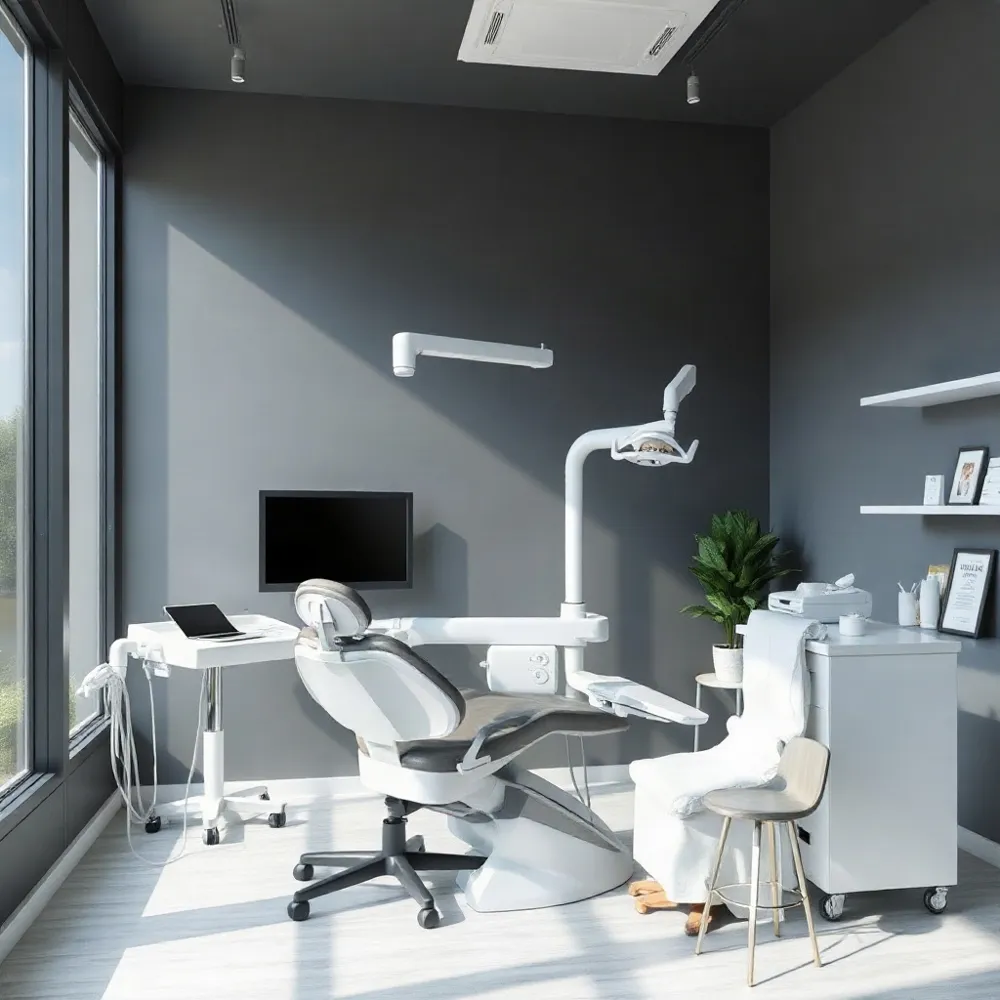
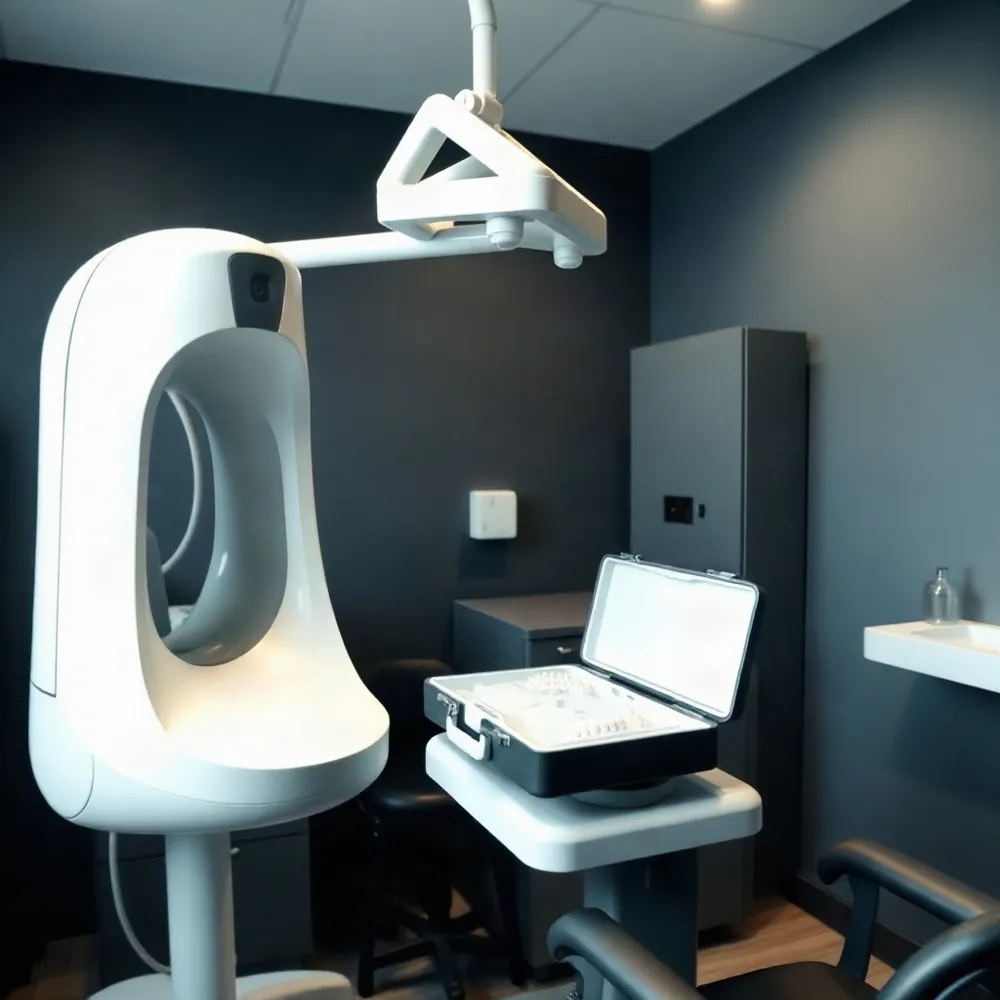
V Dental in Live Oak lists preventive care, Invisalign, dental implants, cosmetic treatments, emergency care, and sedation options. Its diagnostic tools include digital X-rays, CBCT 3D imaging, intraoral cameras, and iTero scanning. These are useful details to compare against your needs, not proof that any one practice is the right fit.
Check Credentials and Relevant Experience
A dentist’s credentials can help you understand their training, but the first check is an active license in the state where they practice. Your state dental board’s website is a place to verify licensing information and review any available disciplinary records.
What credentials should you check when choosing a dentist?
Dentists may hold either a Doctor of Dental Surgery (DDS) or a Doctor of Dental Medicine (DMD) degree. The degrees are equivalent, so one is not a higher ranking than the other. Consider them alongside relevant experience and the way the dentist explains care.
For a specialized or complex procedure, ask what training the dentist has in that treatment and how often they handle cases like yours. Board certification is voluntary in some fields, not a universal requirement, so its relevance depends on the care you are considering.
You can also ask about continuing education and professional memberships, including membership in the American Dental Association. These details add context but do not replace a current license. The ADA also advises patients to consider communication and whether they feel comfortable with the dentist. At V Dental in Live Oak, Dr. Brandon Villarreal’s practice uses CBCT 3D imaging and digital X-rays, details patients can discuss when asking how technology informs care.
Look for Trustworthy Communication
 A trustworthy dentist listens to your concerns, explains findings and recommendations in plain language, and gives you time to ask questions. The American Dental Association advises patients to share past experiences and anxiety, then notice whether the dentist responds with understanding and clear answers.
Ask what needs attention now, what may wait, and why a treatment is recommended. You should be able to understand the options and their trade-offs without feeling pushed toward one choice. At V Dental, personalized treatment plans are part of the practice’s stated approach, giving patients a basis for discussing care suited to their needs.
Be cautious if a practice pressures you to approve extensive or same-day treatment, gives vague explanations, will not show relevant images, leaves fees unclear, or dismisses your questions. Request an itemized estimate so you can review proposed costs alongside the treatment plan.
If you remain uneasy, ask for copies of your records and a written treatment plan, then consider seeking a second opinion before major work. Patient reviews and recommendations can offer clues about communication and comfort, but experiences differ, so weigh them alongside your own conversations and needs. The American Dental Association’s dentist-selection guidance recommends meeting prospective dentists and assessing how they answer questions.
Use a Consultation to Compare Practices
Before choosing a practice, call or visit and ask to meet the dentist and staff. A short introductory conversation can show how the office works and whether you feel comfortable raising questions. The American Dental Association’s consultation advice recommends bringing dental records so the dentist can consider your history when responding to specific concerns.
Bring a written list of questions, too. Ask how the team supports preventive care, handles emergencies outside regular hours, records and retains medical and dental history, and explains financial options. V Dental offers preventive care and emergency services, along with flexible financing, so patients can ask how those services and options fit their needs.
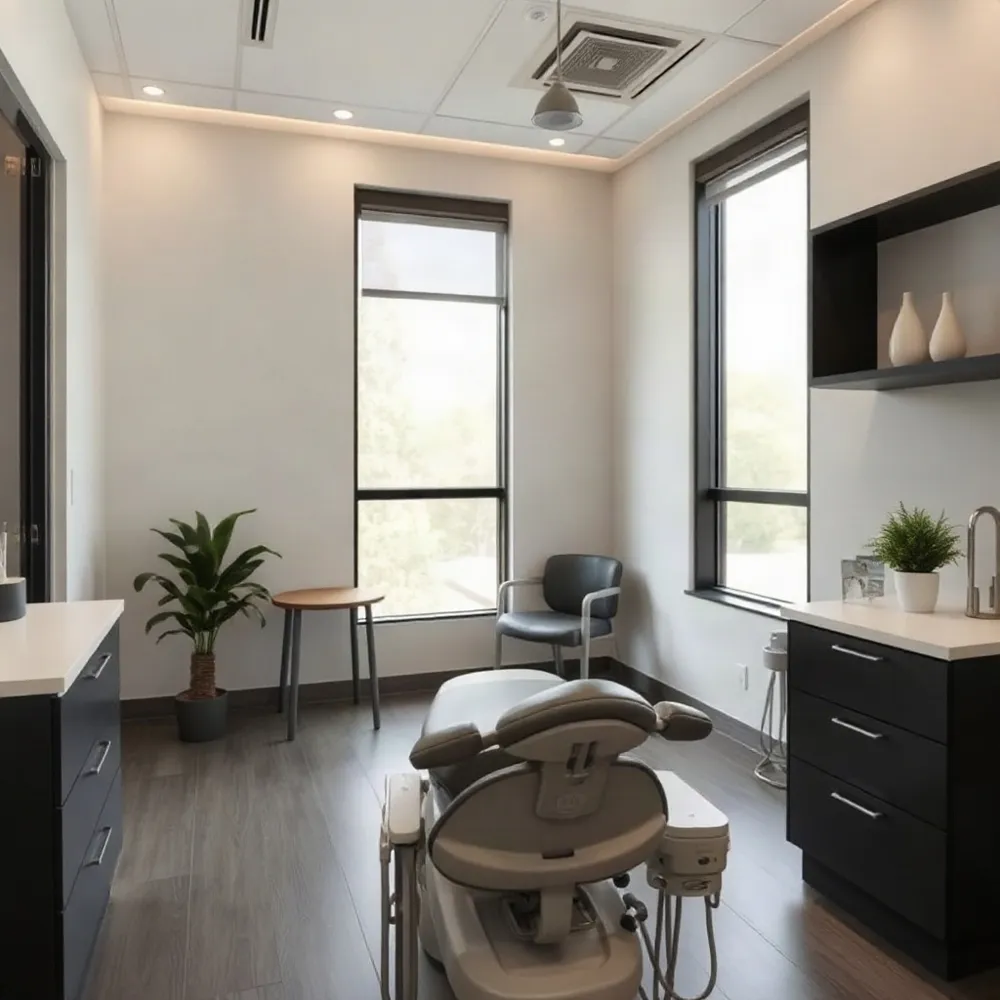
During the visit, notice whether the office feels welcoming, comfortable, and neat, and whether staff answer questions courteously. Share any past dental experiences, concerns, or anxiety, then observe how the dentist responds. A thoughtful response can help you judge whether the dentist listens and treats you as a partner in ongoing care.
For a household, also consider whether the practice can support care over time, from routine visits to procedures and urgent needs. The consultation is a chance to discuss what different family members may need and decide whether the practice feels like a suitable place to return for continuing care.
Ask Before Treatment Begins
Before agreeing to a procedure, ask the dentist to explain the diagnosis in plain language and why the treatment is recommended. The American Dental Association’s guidance on choosing a dentist encourages patients to discuss concerns and make care decisions with a dentist who answers their questions.
Ask what options are available, including whether a more conservative approach is appropriate. Compare the benefits and risks of each option, likely results, how many visits may be needed, and expected healing time. Find out what could happen if you wait or delay treatment.
Clarify what anesthesia or sedation may be used, what recovery and aftercare involve, and when you should return for follow-up. At V Dental, sedation options are among the services offered, so patients can ask the team to explain what may suit their circumstances.
Request a written estimate and confirm what your insurance may cover, what you could owe, and whether payment plans are available. V Dental emphasizes flexible financing, but costs and coverage depend on the treatment and individual plan, so confirm details with the office before proceeding.
A useful final question is how to contact the practice if new concerns come up. You should feel comfortable asking for clarification and taking time to consider the answers. An informed discussion helps you and your dentist make a shared decision before care begins.
Confirm Coverage and Out-of-Pocket Costs
How can you find a dentist who accepts your dental insurance?
Start with your insurer’s website or member portal. Choose your exact dental plan and network, then search by city or ZIP code. You can also call the number on your insurance card or ask your employer’s benefits office for help locating participating dentists.
Before booking, confirm network participation directly with the dental office. Provider directories can be outdated, and some plans require you to use a particular network. The American Dental Association’s dentist-selection guidance also recommends checking whether a practice accepts your dental benefits.
Ask whether the services you need are covered and what costs may remain, including your deductible, coinsurance, or any annual maximum. For planned treatment, request a benefits estimate from your insurer before care begins. Treat it as an estimate, not a guarantee, since the final payment depends on your plan’s rules and claim review.
If you have no dental benefits or are having difficulty affording care, the ADA suggests contacting a local health department or nearby dental school to find services. At V Dental in Live Oak, flexible financing is available as one factor patients can discuss when considering treatment costs.
Choose a Partner for Ongoing Care
A dependable dental home is a familiar place to turn for preventive visits, treatment, and urgent concerns. The American Dental Association’s guidance on choosing a dentist recommends looking for a dentist who can support you and your family over time.
There is no single perfect choice for every household. Check credentials, weigh location and appointment access, notice how the dentist communicates, ask questions before care begins, and confirm coverage and likely costs. At V Dental in Live Oak, care includes preventive services, emergency care, and personalized treatment plans, with flexible financing available.
Take time to compare practices and trust your informed judgment. Choose a team that listens, answers questions clearly, and treats your family’s needs with respect.