A Simple Routine Matters
Clear aligners make it easier to eat and brush as usual, but they still need regular care. Clean trays and teeth help limit the food debris and buildup that can collect during treatment, while following your dentist’s instructions supports a consistent plan.
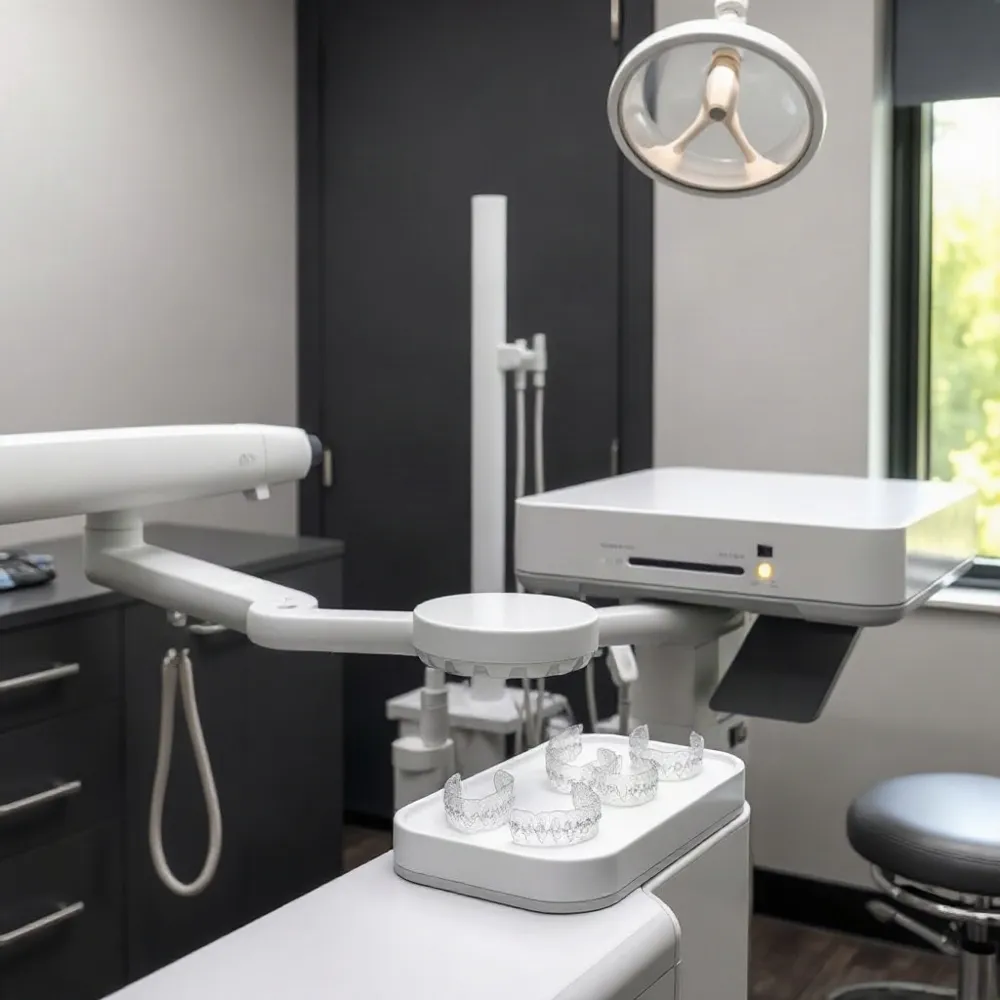
Build a simple routine: rinse aligners when you remove them, clean them gently, and brush and floss before putting them back after meals. Keep trays in their case when they are out, rather than leaving them loose or wrapping them in a napkin.
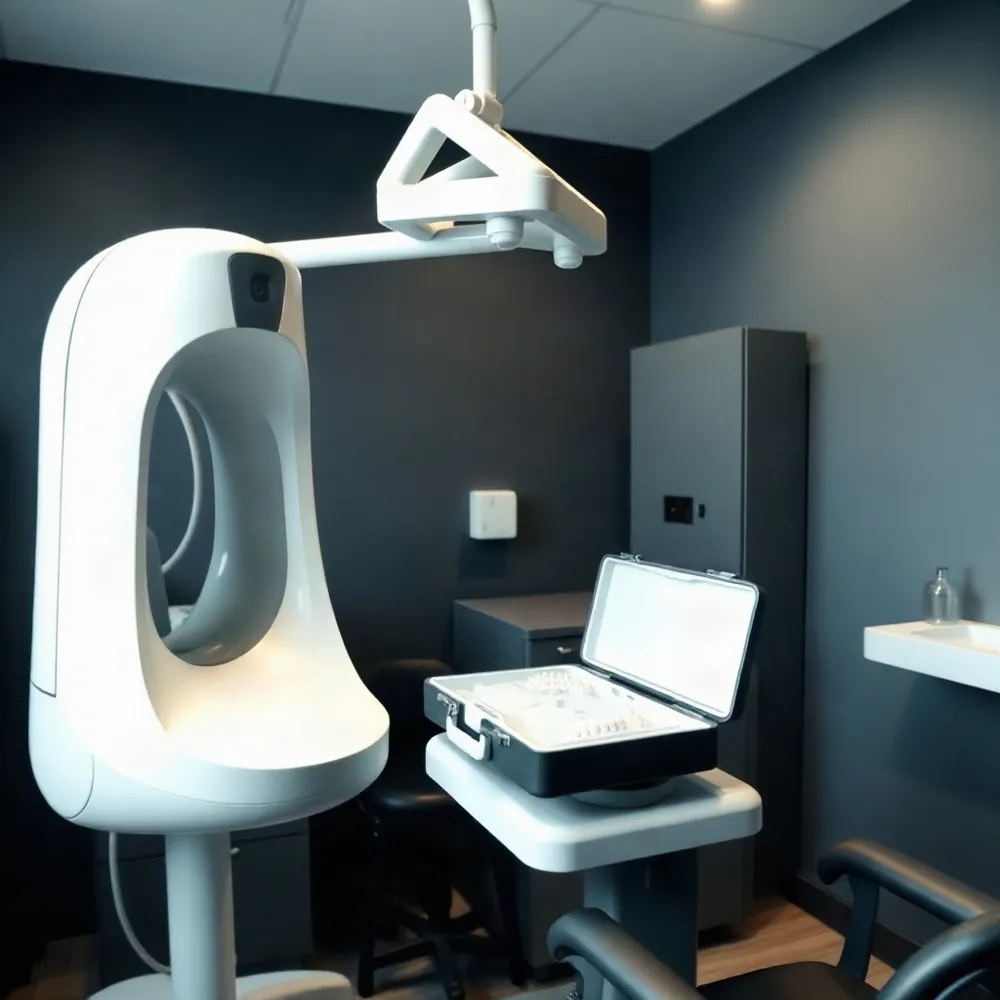
At V Dental, personalized treatment plans and iTero 3D scanning help guide care for each patient. Ask your treating dentist which cleaning method and wear schedule fit your plan, and contact the office if an aligner is damaged, lost, or no longer fits comfortably.
Clean Aligners Gently Every Day
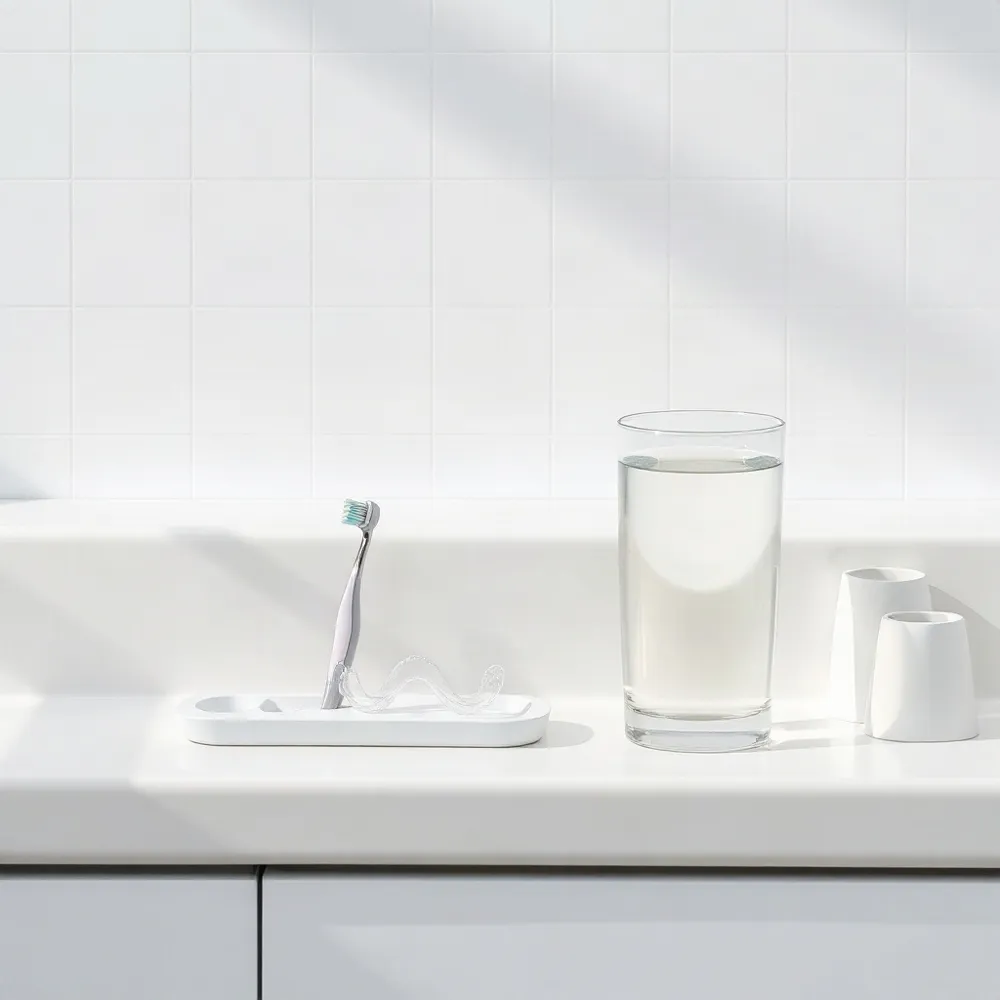 A simple cleaning routine helps keep aligners clear and comfortable to wear. Rinse them whenever you take them out, then gently brush with a soft-bristled toothbrush and a small amount of clear, mild, unscented soap. Rinse thoroughly before putting them back in.
Use cool or lukewarm water, not very hot water, which can distort the plastic and affect the fit. Avoid abrasive toothpaste or baking soda, as well as colored or scented soaps, bleach, and harsh household cleaners. These products may scratch, stain, or leave residue on the trays.
Can household products clean aligners?
Clear, mild dish soap is a reasonable option when rinsed away completely. Baking soda can scratch aligner plastic, so do not scrub trays with it. Vinegar is a less-standard cleaning method, and the available guidance does not establish hydrogen peroxide as a routine cleaner. Ask your dental team before trying either, and use peroxide only if your dentist or product instructions specifically recommend it.
Cleaning crystals or tablets made for aligners can be used for an occasional deeper clean. Follow the product directions and rinse the trays thoroughly afterward. An ultrasonic cleaner may loosen debris, but it is optional and does not replace daily rinsing and gentle brushing. Use only solutions labeled safe for clear aligners, and check with your dental team if you are unsure.
What causes white buildup on aligners?
White or cloudy patches may be dried saliva, plaque, or mineral deposits. Rinsing the trays each time you remove them and cleaning them regularly can help prevent buildup. Clean your teeth before reinserting aligners, and store them in their case while they are out. At V Dental, digital scanning and personalized treatment planning support care tailored to each patient, including guidance on aligner questions during treatment.
If buildup persists, trays develop an unpleasant odor or discoloration, or an aligner looks damaged or no longer fits properly, contact your dental office for advice rather than trying a harsher cleaner.
Protect Your Teeth And Trays
 Remove aligners before eating or drinking anything other than plain water. Food can damage a tray or leave particles trapped against your teeth, while coffee, tea, and other colored drinks may stain the plastic. Sugary or acidic drinks can expose teeth to substances that contribute to decay or enamel wear, and hot liquids may warp the trays.
Should I remove my Invisalign aligners to eat, and what can I drink while wearing them? Yes. Take them out for meals and choose plain water while they are in. Keep V Dental’s treatment plan in view: the practice uses digital X-rays, intraoral cameras, and iTero 3D scanning as part of its modern dental care, while your dentist will tell you how long to wear your aligners each day.
After a meal, brush and floss before reinserting aligners when possible. This clears food residue that could otherwise stay pressed against teeth under the trays. If you cannot brush right away, rinse your mouth thoroughly with water, then clean your teeth as soon as practical.
Store trays in their carrying case whenever they are out, including during meals. A napkin or tissue can be mistaken for rubbish, and loose trays may be damaged or chewed by pets. Keep the case away from direct heat, too, since heat can affect the plastic.
What should I avoid doing while wearing Invisalign aligners? Do not eat or drink anything other than plain water with the trays in, and do not leave them loose or wrapped in a napkin. Clean your teeth before putting them back in when possible, then return the trays promptly to follow the daily wear time prescribed by your dentist.
A clean case and a small travel kit can make these steps easier away from home. Carry a toothbrush, floss, water, and the case; rinse and clean the case regularly so it does not collect debris. V Dental’s personalized treatment planning can help patients understand how daily care fits their own aligner instructions.
Wear Time Shapes Treatment Progress
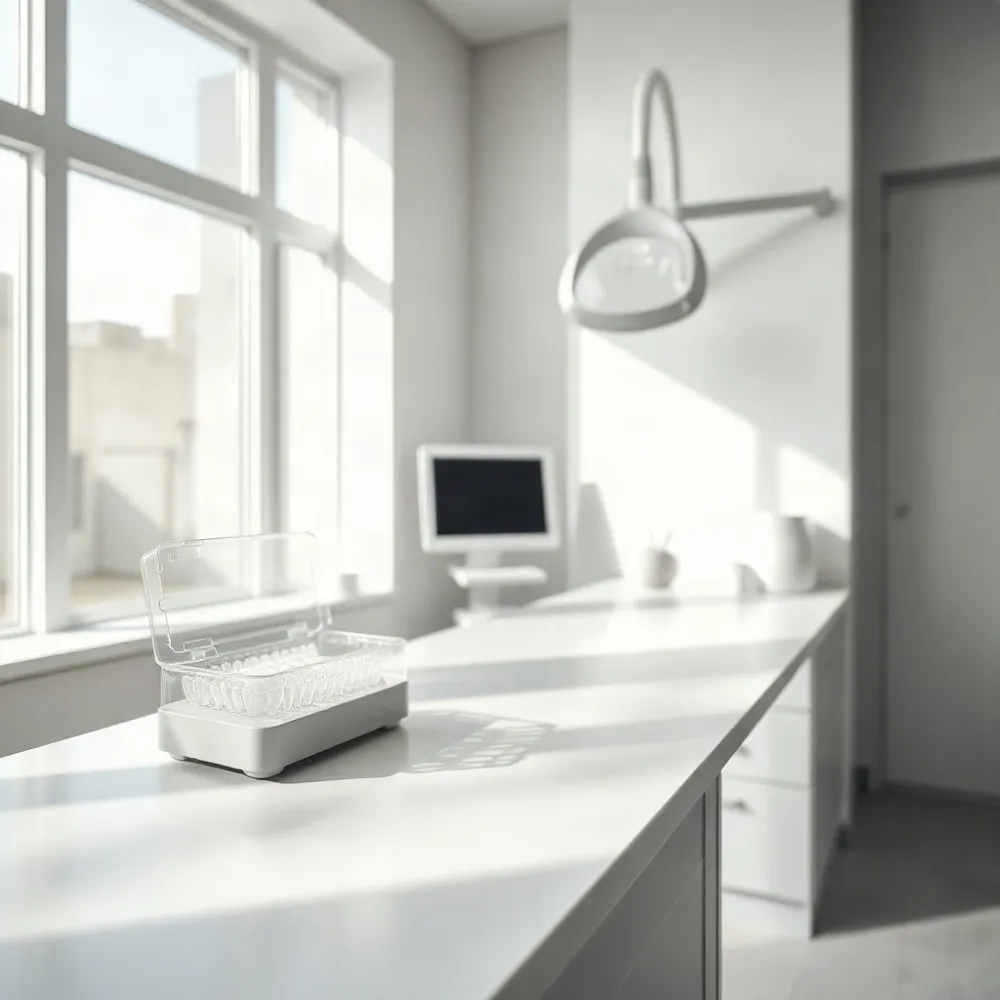 How long should I wear Invisalign each day, and what is the 30-minute rule? General guidance commonly recommends wearing aligners for 20 to 22 hours a day, but your treating dentist’s instructions take priority. The “30-minute rule” is an informal reminder to keep breaks short, not an official limit for each meal. Focus on your total daily wear time and put the trays back in promptly after eating and cleaning your teeth.
V Dental uses personalized treatment plans, so wear-time guidance should reflect the movements your teeth need and how they respond. If your aligners repeatedly feel difficult to put in or no longer fit as expected, contact the treating office rather than trying to adjust the schedule yourself.
How long does Invisalign treatment take, and what determines how long each set of aligners is worn? Treatment length varies with the planned tooth movements, your response, and whether refinement trays are needed. Aligners are often changed every one to two weeks, but that interval is not right for every patient. Your dentist sets both the change dates and your estimated timeline.
Follow the prescribed schedule rather than switching to a new set early or extending a set without professional guidance. If an aligner is lost, broken, warped, discolored, or no longer fits properly, contact your treating office for instructions. V Dental’s digital iTero 3D scanning helps inform treatment planning, while follow-up care allows the dentist to assess progress and advise on next steps.
Adjusting To A New Set
Starting aligners or switching to a new set can bring temporary pressure or tenderness as teeth begin to move. The feeling often eases as your mouth adapts, though experiences vary.
If chewing feels uncomfortable, choose softer foods for a while. Remove your aligners for meals and drinks other than water, then clean your teeth before putting them back in. Keep following your prescribed wear and cleaning instructions rather than taking longer breaks from the trays.
Ask your dentist or pharmacist before using an over-the-counter pain reliever, and follow its label directions. At V Dental, digital iTero 3D scanning helps inform personalized treatment planning, while the dental team can answer questions about your specific aligner plan.
Contact your dental office if pain is severe or does not ease, or if a tray is damaged or no longer fits properly. Do not force a poorly fitting aligner or change sets early without guidance from your dentist.
Keep Results With Follow-Up Care
When active aligner treatment ends, your dentist will assess how your teeth have moved and may arrange retainers to help maintain their new positions. If advised, keep wearing your final aligners until your retainers are ready rather than stopping treatment wear on your own.
Retainer schedules vary, so follow the instructions from the dentist who knows your treatment plan. Clean removable retainers as directed, keep them in their case when they are out, and avoid hot water or other heat that could distort them.
Regular dental and orthodontic visits help check oral health, treatment progress, and whether retainers still fit properly. V Dental uses digital X-rays and iTero 3D scanning as part of its modern care; if you notice shifting teeth or a retainer that feels loose or unusually tight, contact your dental office for guidance.
Consistency Supports Your Smile
A manageable routine can help you care for your teeth and aligners throughout treatment. Clean trays gently, brush and floss before reinserting them when possible, and follow the wear time and change schedule your dentist prescribed.
If an aligner feels loose or uncomfortable, or you are unsure how to clean or wear it, ask your dental team rather than making changes on your own. V Dental uses iTero 3D scanning to support personalized treatment planning, and its team can offer guidance based on your Invisalign plan.
For care advice tailored to your treatment, contact V Dental in Live Oak. A conversation with your dentist can help you address concerns and keep your routine aligned with your care plan.