A Choice Shaped by Your Needs
Adults considering orthodontic treatment often compare clear aligners with traditional braces. Both use planned pressure to move teeth over time, but they differ in how they fit into daily life. Clear aligners are removable and less noticeable; braces stay fixed in place and may suit some more complex alignment or bite concerns.
The right option depends on more than appearance. Your alignment needs, treatment goals, oral health, and ability to follow daily instructions all matter. Aligners require consistent wear, while braces do not depend on remembering to put them back in after meals.
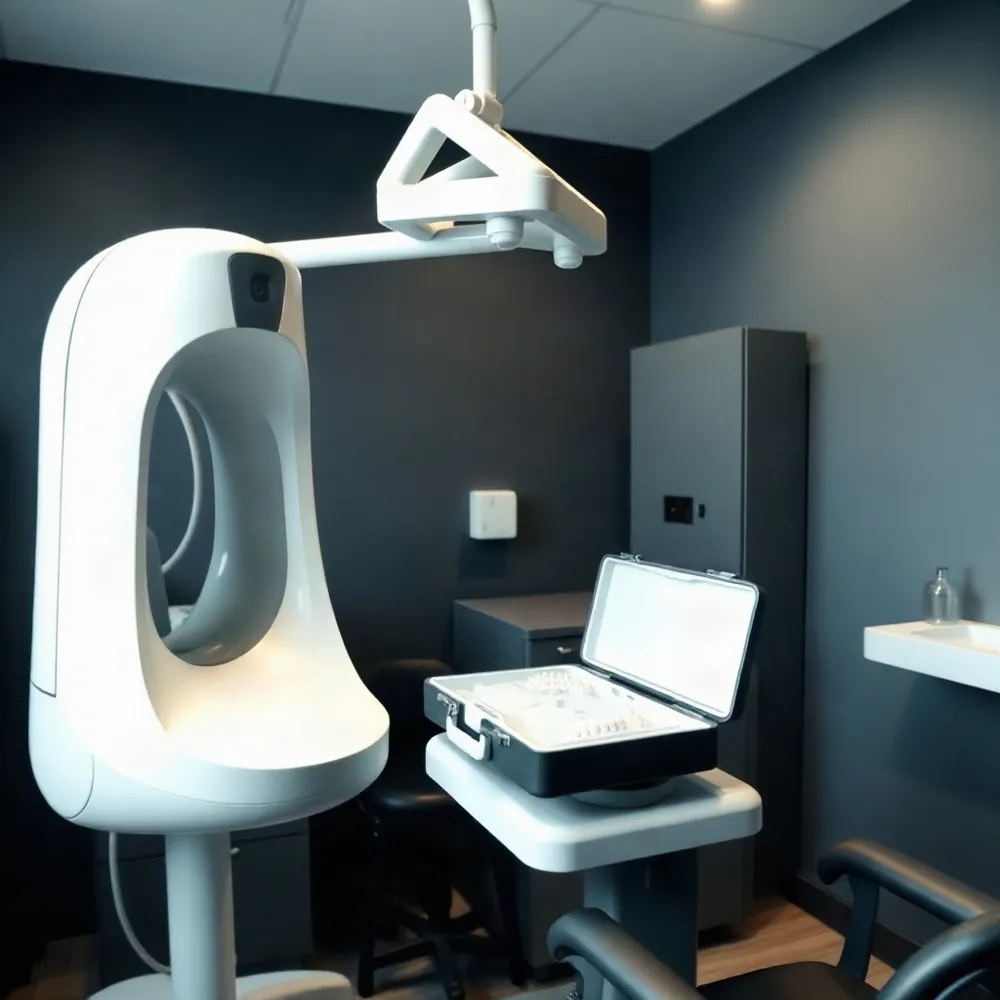
At V Dental in Live Oak, treatment planning can draw on iTero 3D scanning and other diagnostic tools to assess a patient’s needs. A dental professional can explain the likely benefits and limits of each approach, then help weigh those findings against personal preferences. There is no single option that works best for everyone.
How the Treatments Work
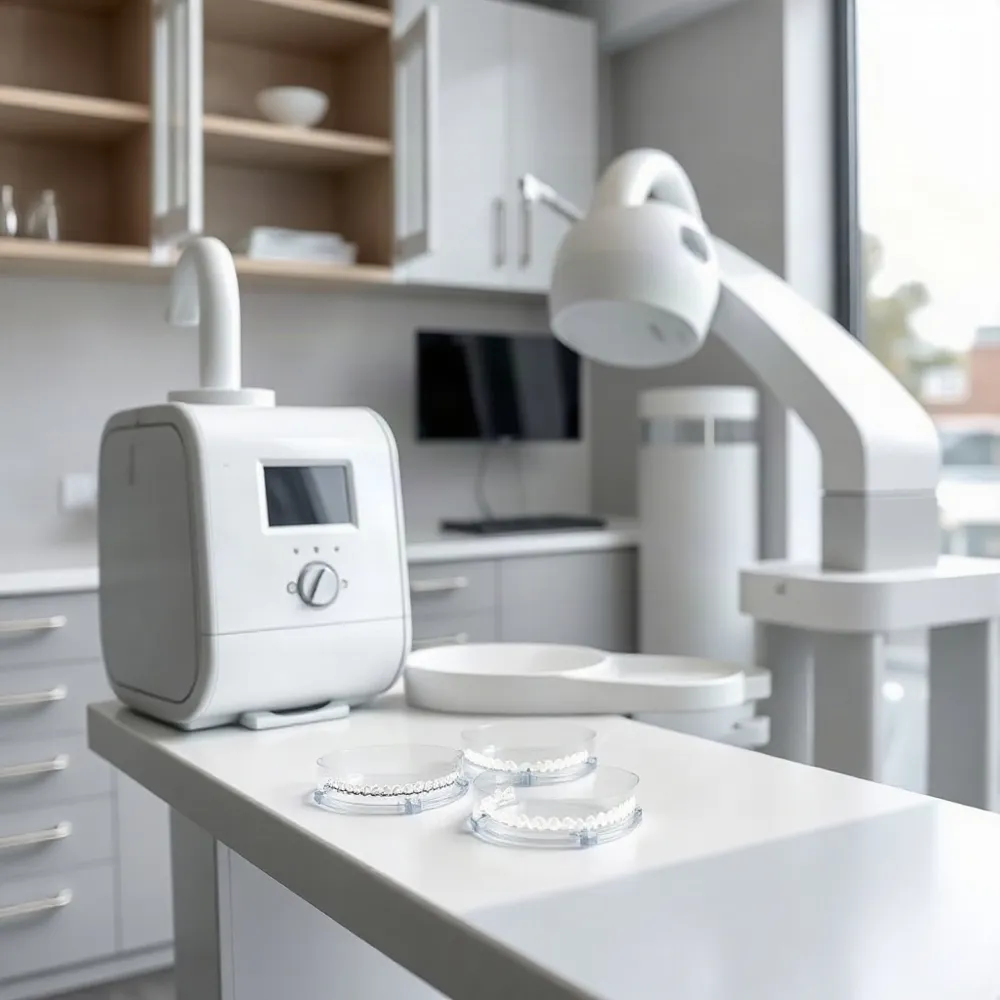 The main difference is how each option applies pressure to move teeth. Invisalign uses a series of custom, clear plastic trays, with each aligner guiding teeth gradually toward a planned position. Traditional braces attach brackets to the teeth and connect them with wires that apply steady pressure.
Aligners are less noticeable and can be removed for meals, brushing, and flossing. That flexibility also comes with a daily routine: they generally need to stay in for about 20 to 22 hours, then go back in after eating or cleaning. V Dental uses iTero 3D scanning to support personalized treatment planning for patients considering clear aligners.
Braces remain attached throughout treatment, so they work continuously without relying on a patient to remember to put them back in. Their brackets and wires are visible, and they call for careful brushing and flossing around the hardware. The fixed design can be helpful for patients who may find consistent aligner wear difficult.
Both approaches can address many alignment concerns, including crooked, crowded, or spaced teeth. Braces may be a better fit for some complex tooth movements or bite problems, while aligners are not suitable for every case. A dentist or orthodontist can assess the bite and alignment before recommending an option.
Neither treatment is automatically faster or less expensive. The time and cost depend on the correction needed, the treatment plan, and other individual factors. At V Dental, digital imaging and a personalized plan help connect the choice of aligners or another approach to a patient’s specific dental needs and goals.
Effectiveness for Alignment and Bite
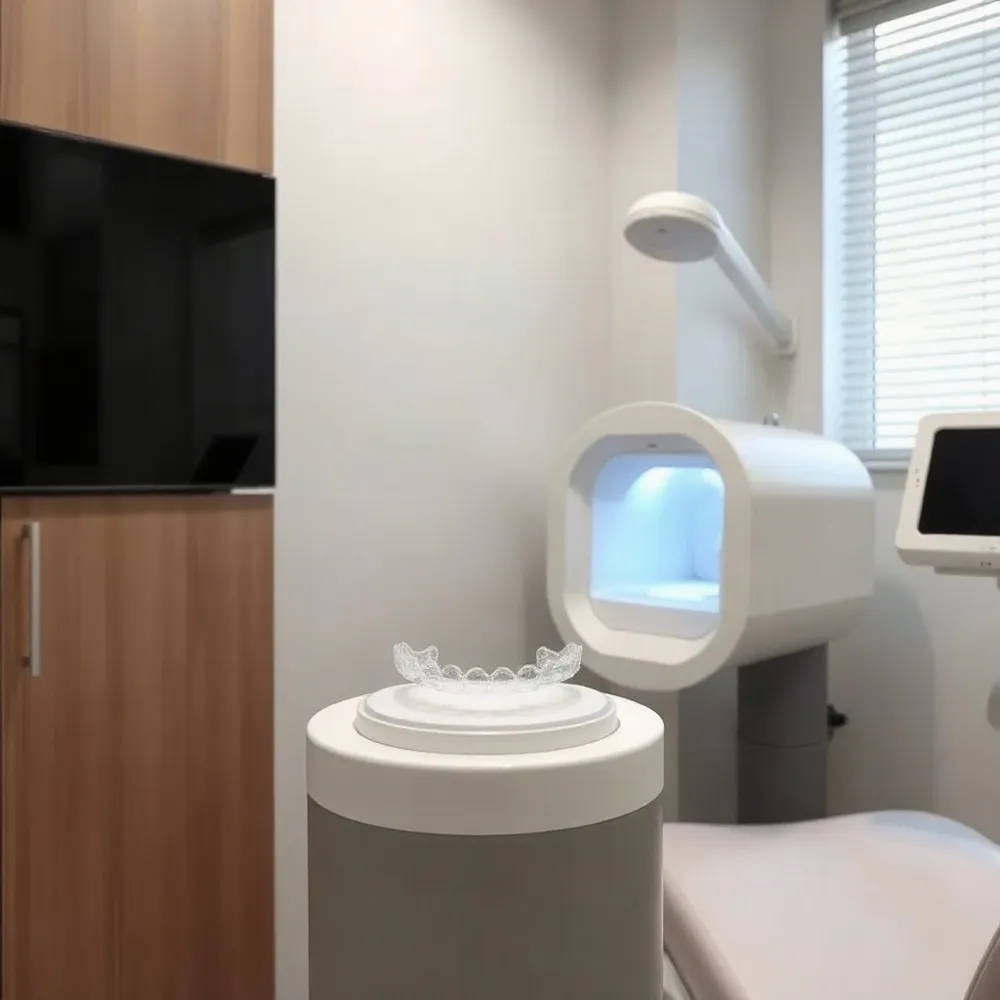 Clear aligners can correct many mild-to-moderate alignment problems and bite concerns, but they are not suitable for every case. Invisalign may treat some overbites, including deep bites, depending on how severe the bite is and which tooth movements are needed. The name of the treatment alone does not determine the likely result; the specific diagnosis matters.
An overbite describes how the upper front teeth overlap the lower front teeth. Some cases respond to aligners, while others may require movements that are difficult to achieve with removable trays. Wearing aligners consistently as directed is also part of treatment: gaps in wear can interfere with planned tooth movement.
Braces may give a dental professional more control in complex cases or when teeth need challenging movements. That does not mean braces are automatically more effective for everyone. The suitable option depends on the nature of the alignment or bite problem, the treatment goals, and whether the patient can follow the plan.
A professional evaluation can help clarify those factors before treatment begins. At V Dental, digital X-rays and iTero 3D scanning can help assess tooth position and support a personalized treatment plan. The dentist can discuss whether aligners are appropriate or whether another approach is more likely to address the bite.
For patients in Live Oak, a consultation with V Dental can also include CBCT 3D imaging when clinically appropriate. Ask how the proposed treatment is expected to move your teeth, what limitations may apply, and how progress will be monitored. These questions help set realistic expectations and keep the recommendation grounded in your individual needs.
Treatment Time and Consistency
 Is Invisalign or treatment with braces usually faster? Neither option is automatically quicker. The time needed depends on the amount and type of tooth movement, the bite concerns being addressed, and how the treatment progresses. A dental professional can estimate a likely timeline after assessing your teeth and bite.
Clear aligners may work efficiently for mild-to-moderate concerns when patients wear them for the prescribed hours each day. Because aligners are removable, treatment relies on remembering to put them back in after meals and oral care. Missed wear can slow progress, and additional refinement trays may add time if teeth need further adjustment.
Braces remain attached to the teeth and apply force continuously, so progress does not depend on remembering to wear an appliance. They can also give a provider more control when correcting complex alignment or bite issues. That does not mean braces always finish sooner: the case itself remains the main factor.
At V Dental, personalized treatment planning helps connect timing expectations to a patient’s specific needs. The practice uses iTero 3D scanning to capture digital impressions, which can inform the evaluation and planning process.
A consultation is the best way to discuss likely duration, the level of daily commitment, and whether aligners or braces fit your circumstances. V Dental offers a range of dental services and convenient appointments for patients in Live Oak and nearby communities, making an in-person discussion of treatment options possible.
Comfort and Oral Hygiene
Clear aligners have smooth surfaces, while braces have brackets and wires that can rub against the cheeks and lips. Braces may feel especially irritating after wire adjustments, though comfort varies from person to person. At V Dental, patients can discuss both Invisalign clear aligners and braces with a dentist who can consider their needs and preferences.
Removable aligners make it easier to brush and floss normally because you take them out first. They still need regular cleaning, and patients must remember to put them back in as directed. V Dental uses iTero 3D scanning as part of its modern dental technology, supporting personalized treatment planning.
Fixed brackets and wires create more places for food and plaque to collect, so brushing and flossing require extra care. A floss threader or another specialized cleaning tool can help reach between teeth and around the hardware. Keeping up with these routines helps patients care for their teeth throughout orthodontic treatment.
Braces also call for care with food. Hard or sticky foods can damage or dislodge brackets, so patients may need to avoid them or choose alternatives. A dental professional can explain how to clean around braces and adjust everyday habits to protect the appliances.
Costs and Insurance Coverage
How much does Invisalign cost compared with braces, and will insurance cover it?
The cost of Invisalign and traditional braces can overlap, so neither option is always less expensive. Your estimate depends on the complexity of tooth movement, how long treatment takes, local prices, provider fees, and what the quoted fee includes, such as appointments, retainers, or replacement aligners. Ask for an individualized estimate that spells out these details before choosing a plan.
Insurance may help pay for either treatment if your plan includes orthodontic benefits. Coverage can differ by plan and may have age restrictions or a lifetime maximum. Before starting, ask your insurer whether Invisalign is covered and confirm the deductible, coinsurance, and remaining benefit limit. Check whether the estimate assumes insurance payment or shows your expected out-of-pocket cost.
Some dental practices offer installment plans, and eligible health savings account (HSA) or flexible spending account (FSA) funds may also help with expenses. Confirm payment-plan availability with the practice, and check account rules with your HSA or FSA administrator before using those funds.
At V Dental in Live Oak, an individualized treatment plan can help clarify which option fits your dental needs and what it may cost. The practice also offers flexible financing, so patients can discuss payment options alongside their estimate rather than comparing treatment fees alone.
Why Adults May Choose Aligners
For adults weighing orthodontic treatment alongside work and social commitments, appearance and daily convenience can matter as much as the mechanics. Clear aligners are less noticeable than metal braces, and they can be removed for meals and routine brushing and flossing.
At V Dental in Live Oak, patients can discuss clear aligners as part of a personalized treatment plan, with digital X-rays, CBCT 3D imaging, and iTero 3D scanning supporting assessment of their teeth and bite. These tools help the dental team evaluate whether removable treatment fits a patient’s needs.
Is Invisalign a suitable alternative to braces for adults? It can be for many people, especially when the treatment goal is to correct certain alignment or bite concerns with a less conspicuous option. Removability also makes it easier to eat and clean teeth without working around brackets and wires. However, aligners are not right for every case, and some complex tooth or bite problems may be better treated with braces.
Straighter teeth may improve the appearance of a smile and make some areas easier to reach while brushing and flossing, but alignment alone does not guarantee a particular oral-health result. The right choice depends on the specific dental problem, the patient’s preferences, and whether they can follow the treatment plan.
A consultation with a dental professional can clarify the likely benefits and limits of each approach. V Dental’s team can review a patient’s dental needs and personal goals before recommending a suitable option, rather than treating convenience or appearance as the only deciding factors.
Aligner Suitability for Younger Patients
Can a 12-year-old use Invisalign instead of braces?
Yes, some 12-year-olds may be candidates for Invisalign, but age alone does not determine whether aligners are appropriate. A dentist or orthodontist considers dental development, which teeth have erupted, the child’s bite, and the specific alignment problem. At V Dental, digital iTero 3D scanning can help assess a child’s teeth and support a personalized treatment plan.
Removable aligners require steady responsibility: children need to wear them for most of the day, removing them for meals and oral hygiene, then putting them back in as directed. Missed wear can interfere with treatment. V Dental offers preventive and family dentistry, so a consultation can include a discussion of the child’s dental health and ability to follow the plan.
Braces may be preferable when the orthodontic problem calls for them or when consistent aligner wear is unlikely. Unlike removable aligners, braces stay in place throughout treatment, though they require careful brushing and flossing around brackets and wires. An in-person assessment gives the dentist or orthodontist a chance to explain which options can address the child’s needs and what daily care each involves.
Make the Decision With a Dental Professional
Clear aligners offer discretion and can be removed for meals and brushing, while braces stay in place and may be better suited to some complex alignment or bite problems. Neither option is right for every patient, so a treatment plan should reflect the specific teeth and jaw concerns being addressed.
Before choosing, discuss your alignment and bite, appearance preferences, daily routine, likely treatment duration, and estimated costs with a dentist or orthodontist. At V Dental, an evaluation can include iTero 3D scanning to help inform a personalized plan; the practice also offers Invisalign and flexible financing. Ask how each option fits your needs and what follow-up care it requires.