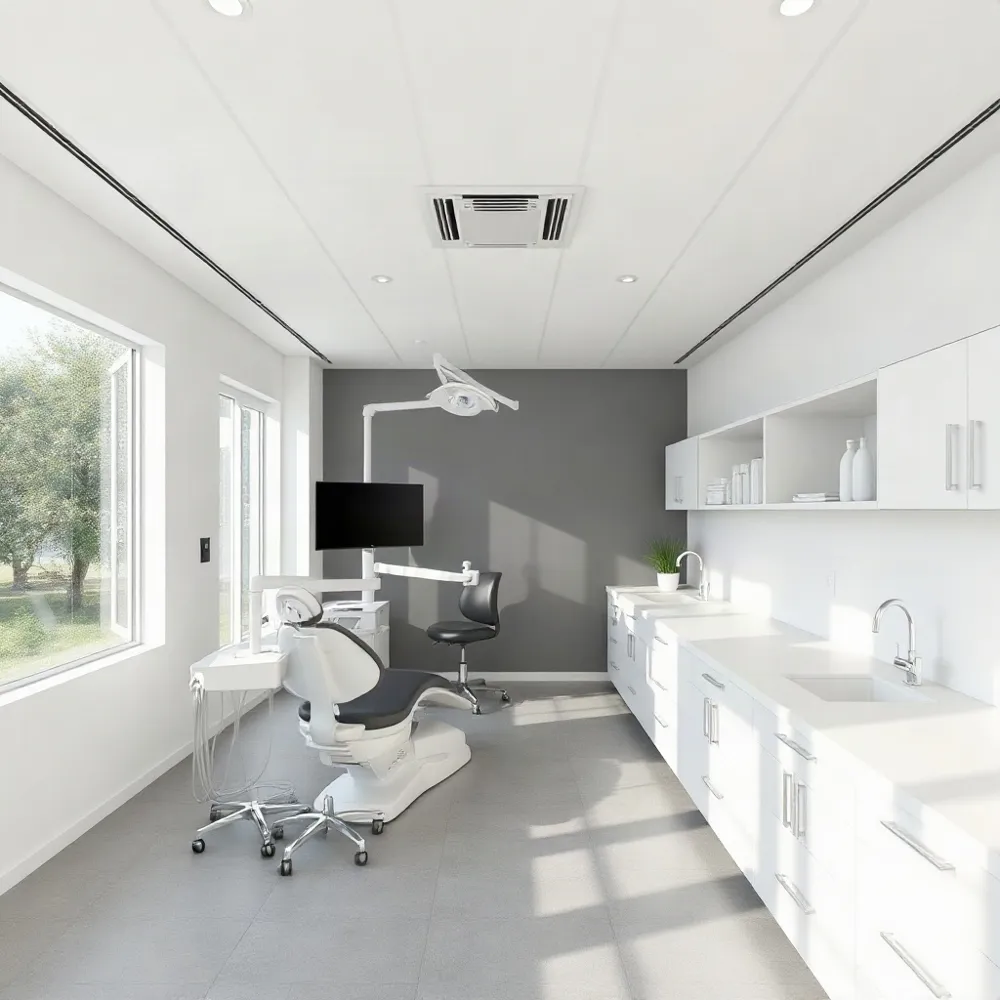
Unified Oral Care for Every Family Member
Managing dental health across multiple generations often feels like a logistical challenge, but a unified approach provides essential continuity. By maintaining a single family dental practice, you ensure that your provider tracks your family's oral health history over time. This long-term relationship allows for the early detection of issues that might carry a genetic component, helping to mitigate the cumulative impact of dental disease.
At V Dental in Live Oak, Dr. Brandon Villarreal provides comprehensive care that scales with your family, offering everything from pediatric preventive exams to restorative solutions like dental implants for older adults. Unlike practices that only serve specific age brackets, this approach enables households to consolidate appointments. This convenience reduces the time spent on logistics and minimizes stress for busy families.
Familiarity is a potent tool for reducing dental anxiety. When children observe their parents or siblings navigating professional cleanings with ease, they are more likely to adopt positive attitudes toward their own care. V Dental enhances this comforting environment with modern diagnostic tools like iTero 3D scanning, which improves accuracy and simplifies communication, ensuring every family member feels secure, informed, and supported at every life stage.
Understanding Oral Hygiene and Systemic Health Links
 What constitutes poor oral hygiene? Neglect of essential dental practices, including failing to brush and floss regularly or skipping routine professional check-ups, forms the foundation of poor oral health. It also encompasses dietary habits that damage teeth and gums, such as excessive consumption of sugar. When these daily maintenance tasks are ignored, harmful bacteria accumulate, leading to plaque buildup and periodontal disease. This neglect does more than damage your smile, as it allows oral pathogen populations to enter the bloodstream and trigger inflammation throughout the body.
The connection between oral bacteria and systemic wellness is well documented. Bacteria from untreated gum disease are linked to an increased risk of systemic conditions, including heart disease, diabetes, and respiratory complications. At V Dental, we emphasize that periodontitis is not a localized issue but a systemic threat that can complicate the management of chronic illnesses like diabetes and high blood pressure. By prioritizing early intervention through regular screenings, we help patients mitigate these risks before they advance into systemic crises.
Neglect of oral care also carries significant implications for cognitive health. Research has identified a concerning link between poor oral health, including tooth loss, and an increased risk of developing Alzheimer’s disease and other memory issues. For elderly patients, maintaining masticatory function is critical because poor function restricts diets, which can exacerbate frailty and cognitive decline. Because oral health is linked to systemic health, our team at V Dental employs advanced diagnostic tools, such as digital X-rays and CBCT 3D imaging, to monitor these connections closely and provide the preventive care necessary for a healthier future.
Tailored Preventive Strategies for Every Life Stage
 Effective oral health is a lifelong endeavor that adapts as individuals progress through different developmental stages. While childhood requires a focus on cavity prevention and early intervention, adulthood and senior years bring shifting priorities such as enamel preservation and bone density management. V Dental supports these evolving requirements by creating personalized treatment plans that account for the unique health histories of family members across all generations.
The 2-2-2 rule serves as a gold standard for maintaining daily oral hygiene regardless of age. This recommendation entails brushing your teeth twice a day for two minutes each session, flossing at least once a day, and visiting the dentist twice a year for professional cleanings. These consistent habits are essential for mitigating the natural, cumulative nature of oral diseases like periodontitis, as highlighted by longitudinal research.
What are the recommended rules for maintaining daily oral hygiene?
Maintaining excellent oral hygiene requires a consistent daily routine centered on removing plaque, a sticky film of bacteria that causes decay and gum disease. You should brush your teeth at least twice a day using fluoride toothpaste and a soft-bristled toothbrush, angling the bristles at 45 degrees toward the gum line to effectively clean all surfaces. In addition to brushing, flossing once daily is crucial for reaching areas between teeth that a brush cannot access. For a more comprehensive clean, incorporate tongue scraping and use a final mouth rinse to further reduce bacteria. By adopting these habits and scheduling regular professional cleanings at V Dental, you can protect your long-term oral health and prevent serious systemic conditions linked to dental issues.
To ensure long-term care remains accurate, modern family practices move beyond visual observation. V Dental utilizes advanced diagnostic technology such as CBCT 3D imaging, digital X-rays, and iTero 3D scanning to track dental conditions over many years. Unlike practices that lack integrated record-keeping, this approach provides the necessary data to monitor bone health in seniors or monitor developmental changes in younger patients, ensuring each preventive strategy is backed by high-resolution clinical evidence.
Addressing the Unique Dental Challenges of Aging
 Aging naturally alters both the oral environment and the physical structure of our teeth. Decades of heavy use, combined with physiological factors like gingival recession, often expose root surfaces and thin the enamel, leading to increased sensitivity and a higher prevalence of root caries. As noted by the American Dental Association (ADA), nearly 20% of the U.S. population will be over age 65 by 2030, making the management of these structural changes a central pillar of proactive dentistry.
Medications often introduce further complications. Polypharmacy, the use of multiple prescription drugs, is common among seniors and frequently triggers xerostomia or dry mouth. This condition affects up to 40% of those over age 80 per ADA data, effectively removing the protective buffering of saliva and accelerating the development of decay. At V Dental in Live Oak, Texas, we use advanced tools like CBCT 3D imaging to monitor these changes and identify issues before they threaten tooth stability.
Why is regular dental care especially important for seniors?
Routine check-ups are essential because poor oral health in older adults is directly associated with complex systemic conditions. CareQuest Institute for Oral Health reports that chronic illnesses like diabetes and heart disease are often exacerbated by untreated periodontal inflammation. Furthermore, there is a documented link between persistent dental disease and higher risks of respiratory issues or cognitive decline. Because many seniors may experience reduced physical dexterity, we provide personalized support, such as professional cleaning and oral cancer screenings, tailored to individual needs.
Does the structure of our teeth change as we age?
Your teeth experience significant structural shifts over time, including enamel wear and the gradual exposure of dentin that contributes to a darker appearance. As NIH research highlights, tooth loss remains a major hurdle, with roughly 20% of adults aged 65 or older experiencing the loss of teeth entirely. Whether your needs involve preventive maintenance or restorative procedures like dental implants, our team at V Dental emphasizes conservative clinical approaches to preserve your natural dentition and maintain vital masticatory function.
Navigating Access and Barriers to Senior Dental Care
Seniors face significant barriers to oral healthcare, largely driven by the fact that traditional Medicare does not provide comprehensive dental coverage, often leaving those on limited incomes without affordable options. Approximately one-third of adults enrolled in Medicare currently lack dental insurance, which contributes to the fact that people age 60 and older are among the most likely to lack such protection. This financial obstacle is frequently compounded by geographic isolation, as 1 in 5 rural seniors have not visited a dentist in the last five years due to transportation limitations or provider shortages.
Beyond financial hurdles, seniors often contend with complex systemic health conditions and cognitive impairments that complicate treatment planning and daily oral hygiene routines. Research indicates that 30% of patients over age 65 experience dry mouth, which increases the risk of tooth decay and makes performing daily care more uncomfortable. V Dental helps mitigate these complexities by offering personalized treatment plans that account for the unique developmental and medical needs of aging patients, including the use of advanced CBCT 3D imaging to better diagnose root issues that are common in this age group.
How can caregivers support oral health for seniors?
Supporting an aging loved one requires a proactive approach when physical or cognitive decline sets in. Caregivers should assist with daily habits by monitoring brushing routines, ensuring the use of wide-grip or electric toothbrushes for those with arthritis, and making sure removable appliances are cleaned daily. Because long-term relationships with a dentist are recommended to track changes over time, it is vital to coordinate care through a single, consistent provider. V Dental provides this continuity by offering flexible scheduling, which helps families manage the frequent appointments necessary for preventing and arresting root caries in older adults.
Reversing Damage and Exploring Restorative Solutions
Many dental issues stemming from years of sub-optimal habits are not permanent. While professional longitudinal data highlights that oral disease is cumulative, early intervention can often arrest progression. Conditions such as gingivitis are frequently reversible with consistent hygiene, while more advanced decay requires professional repair to prevent total tooth loss.
Can unhealthy teeth be restored to a healthy state?
Restoring function begins with addressing the structural integrity of your smile. V Dental utilizes advanced diagnostics like CBCT 3D imaging and iTero 3D scanning to map precise treatment plans for damaged teeth. When natural teeth cannot be saved, options like implants act as the clinical standard for replacing missing structures and improving masticatory function. Whether you need complex restorative work or simply a return to routine preventive care, establishing a consistent medical home is essential for maintaining long-term oral stability.
Can yellow teeth be whitened?
Teeth discoloration is a common concern that often requires more than over-the-counter products. Extrinsic stains from coffee or tobacco often linger on the surface, while intrinsic changes to enamel occur naturally with aging. Professional whitening treatments offered at V Dental use high-concentration bleaching agents to penetrate the enamel and effectively break down these stubborn pigments. Unlike generic kits that can increase sensitivity, supervised professional sessions provide a controlled approach to achieving a brighter smile while protecting your gum tissue and tooth structure.
Recognizing Common Dental Symptoms
What are some of the most common dental issues people experience?
Common dental issues frequently include cavities, which result from plaque buildup, and toothaches that can indicate everything from mild sensitivity to severe infections like abscesses. Many patients seek professional care at V Dental for stained or discolored teeth caused by lifestyle factors, as well as chipped or cracked teeth stemming from physical injuries or daily habits. Beyond these, gum-related conditions like gingivitis and periodontitis, along with chronic concerns such as bad breath, dry mouth, and teeth grinding, are widely reported. Per the National Institute on Aging, maintaining oral hygiene is essential to preventing pain and infection, yet many adults neglect these early warning signs.
Early intervention is a cornerstone of effective care. Practices such as V Dental provide comprehensive oral cancer screenings and diagnostic exams, which are vital because many dental conditions are cumulative and progressive per NIH research. Any persistent pain, physical damage, or changes in your oral health should be promptly evaluated by a qualified dental professional to prevent more serious systemic complications. While some issues like sensitivity might seem minor, they can act as indicators of underlying decay or structural loss that require professional attention before irreversible damage occurs.
Legal Protocols for Multi-Generational Appointments
When a grandparent brings a minor grandchild to the dentist, the practice must verify who holds the legal authority to provide informed consent for treatment. Generally, this authority remains with the child’s legal parents or court appointed guardians. If the grandparent is not the legal guardian, the office must obtain explicit, verifiable permission, ideally in writing, from the custodial parent prior to performing any non emergency procedures.
What are the legal requirements when a grandparent brings a grandchild to the dentist?
The logistical simplicity of coordinating a multi generational dental visit must be balanced with strict adherence to healthcare regulations. If the child’s parents are divorced, the dentist must confirm which parent, according to the divorce decree or state law, possesses the legal right to authorize dental care. Providing comprehensive care at V Dental includes maintaining clear, updated patient records that specify these legal designations, ensuring we support family convenience while remaining fully compliant with all state laws regarding informed consent.
Each state maintains specific frameworks for treatment authorization. By clarifying guardianship and parental rights before the initial appointment, families avoid delays in care. Protecting both the patient and the dental office is a priority, and our team verifies all documentation to ensure that every procedure meets Texas standards for clinical authorization.
Ensuring a Healthy Future for Your Family
Adopting a proactive approach to dental health secures long-term wellness for every family member. By centralizing care at V Dental, families benefit from comprehensive record-keeping and personalized treatment plans that account for unique age-related needs, ranging from pediatric monitoring to senior restorative care. This consistent professional oversight mitigates the cumulative impact of oral disease and helps prevent systemic health complications.
Building a legacy of oral health starts with shared habits. When children witness parents prioritizing their own oral health, they develop positive attitudes toward preventative routines. By utilizing modern diagnostic tools like iTero 3D scanning, clinical teams can detect issues early, ensuring your family maintains robust dental function throughout every life stage.