When Dental Visits Feel Difficult
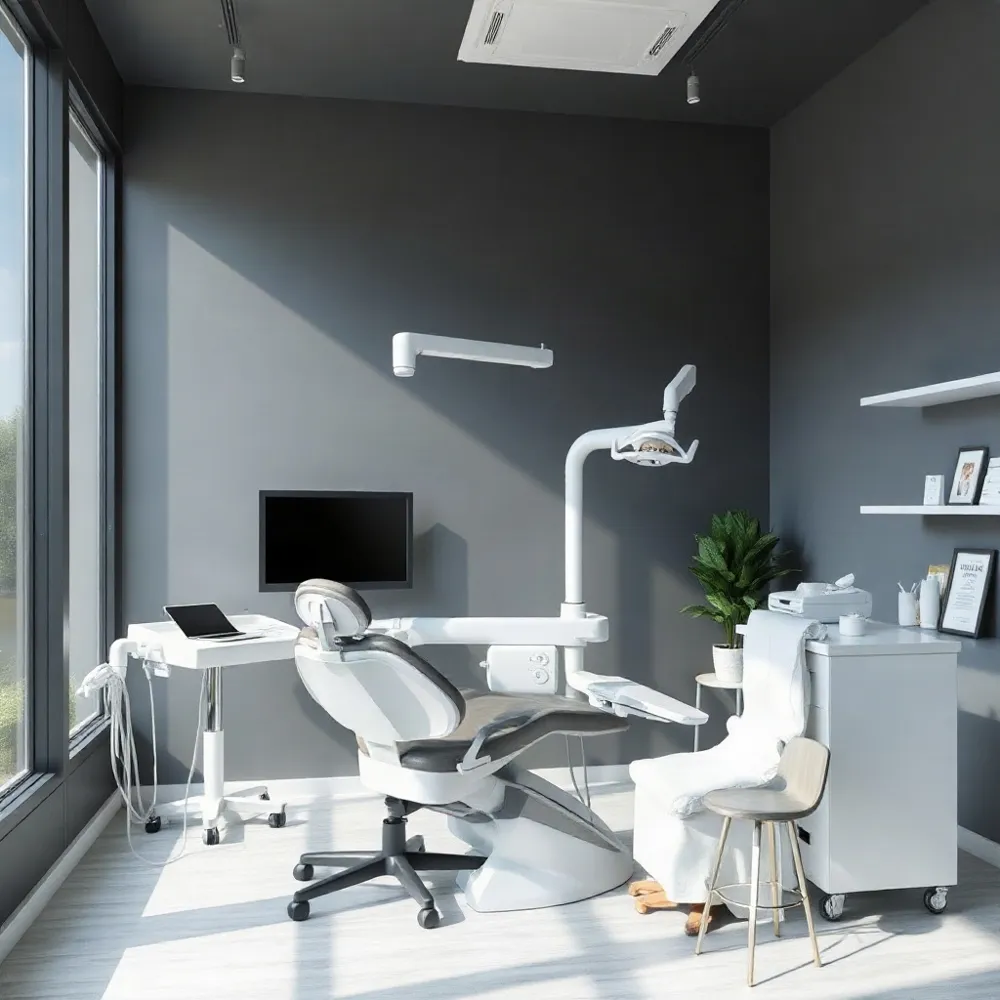
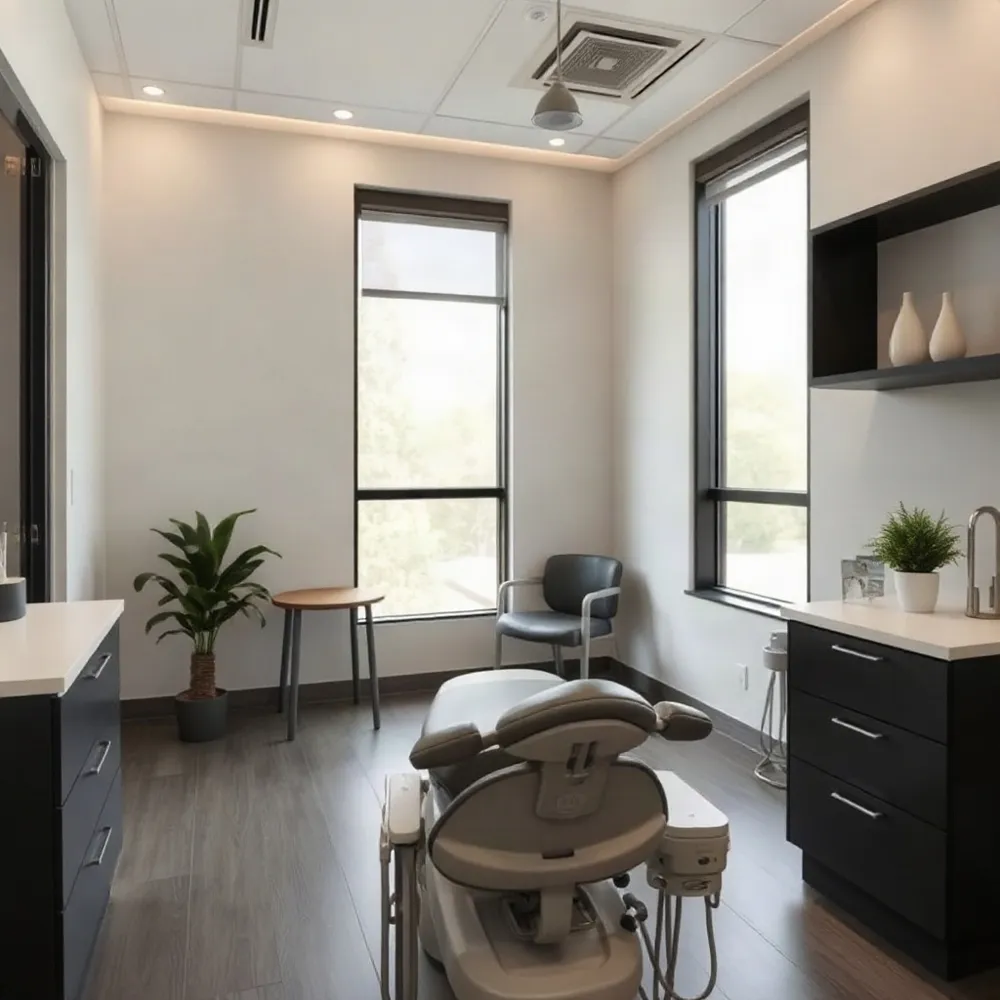
Dental anxiety can take many forms: fear of needles, worry about discomfort, or unease about sitting through treatment. These feelings can make even a routine appointment difficult. At V Dental in Live Oak, patients can discuss their concerns as part of a personalized treatment plan, rather than trying to manage them alone.
Putting off needed care may allow dental problems to become more serious. Sedation is one option a dentist may discuss to help reduce stress during treatment, but it does not replace local anesthetic when numbing is needed. The Cleveland Clinic’s overview of sedation dentistry explains that the appropriate approach depends on factors such as a patient’s health, anxiety, preferences, and planned procedure.
This article offers general information, not a recommendation for any particular patient. Sedation options, medication review, and preparation instructions are determined individually with a dental professional. V Dental’s team can discuss available sedation options alongside the patient’s treatment needs and health history.
Start With What Makes You Anxious
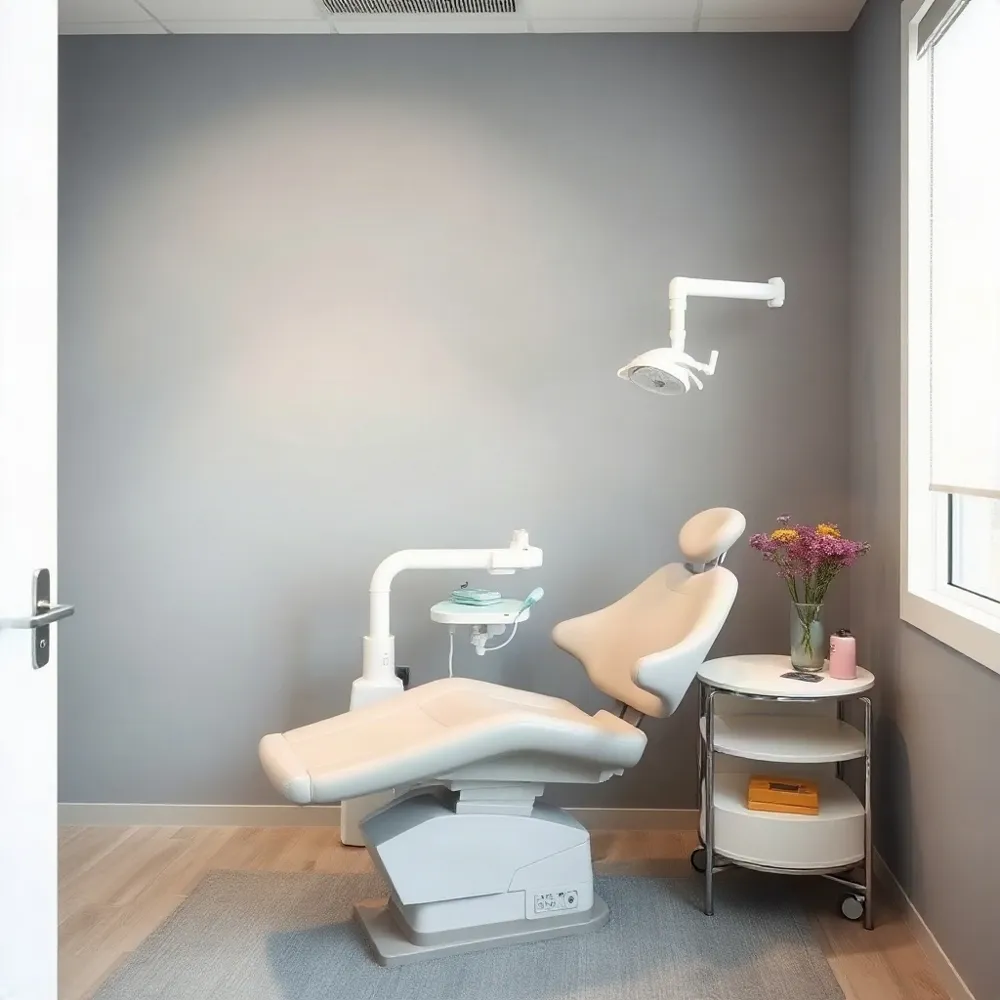 Before discussing sedation, describe what feels difficult about dental care. Fear of needles or treatment, a sensitive gag reflex or teeth, claustrophobia, or trouble staying still can all be reasons to ask about support. Some physical, behavioral, or cognitive needs can also make it harder to relax in the dental chair. Cleveland Clinic’s overview of sedation dentistry describes these as factors a dentist may consider.
A useful conversation can start with your past experiences and specific concerns. The dentist can explain what the planned care involves, listen without judgment, and discuss ways to make the visit feel more manageable. You might agree on a signal to pause, ask for breaks, or talk through comfort measures. At V Dental in Live Oak, personalized treatment planning can help shape that discussion around your needs and the care being considered.
Sedation may be worth discussing when anxiety makes appointments difficult, or when a gag reflex, sensitive teeth, difficulty controlling movement, or lengthy treatment presents a challenge. It is not automatically the right choice for everyone. A dentist should review your health history, medications, supplements, and other substances you use, then consider the planned procedure and your preferences before recommending an approach. Share concerns openly so the dental team can make an individualized plan.
What Sedation Does and Does Not Do
Sedation dentistry uses medication to help patients feel calmer during treatment. With common forms of conscious sedation, patients are usually awake and able to respond, though they may feel drowsy or remember little afterward. The experience depends on the method and dose, as well as the patient’s health and treatment needs. Cleveland Clinic explains common sedation options.
Sedation is not the same as pain control. It can reduce anxiety, but it does not necessarily numb the teeth or gums. A dentist may use local anesthetic as well, and you can tell the team if you feel pain or discomfort during treatment.
Are you fully asleep during dental sedation?
Usually not with conscious sedation. You may feel very relaxed or sleepy, and some people have limited memory of treatment, but they can generally respond to instructions. General anesthesia is different: it makes a patient unconscious and involves specialized care and monitoring. Ask your dentist to explain the type of sedation being considered and what you may experience.
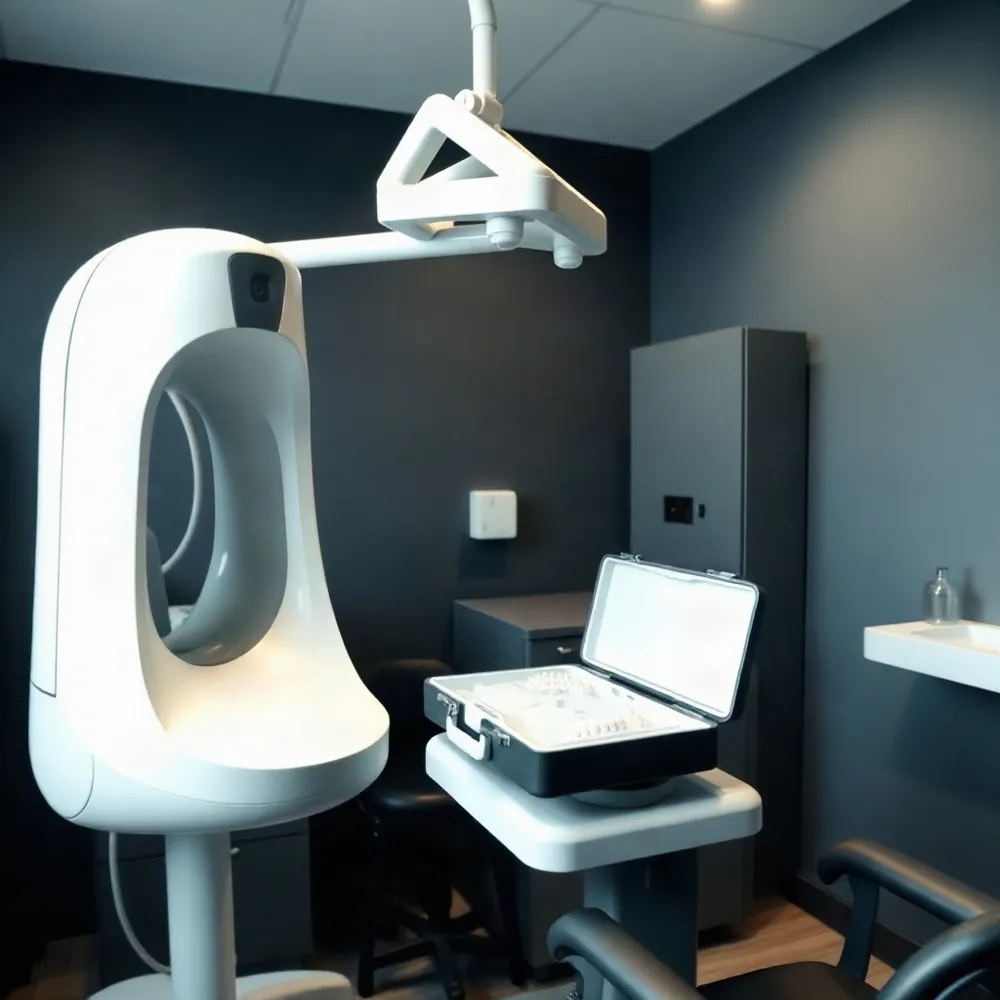
At V Dental in Live Oak, treatment planning can be personalized around your health and comfort, with technology such as CBCT 3D imaging and iTero 3D scanning supporting dental care. A conversation with the team can help clarify whether sedation is appropriate and what it can, and cannot, do for your visit.
Comparing Common Sedation Options
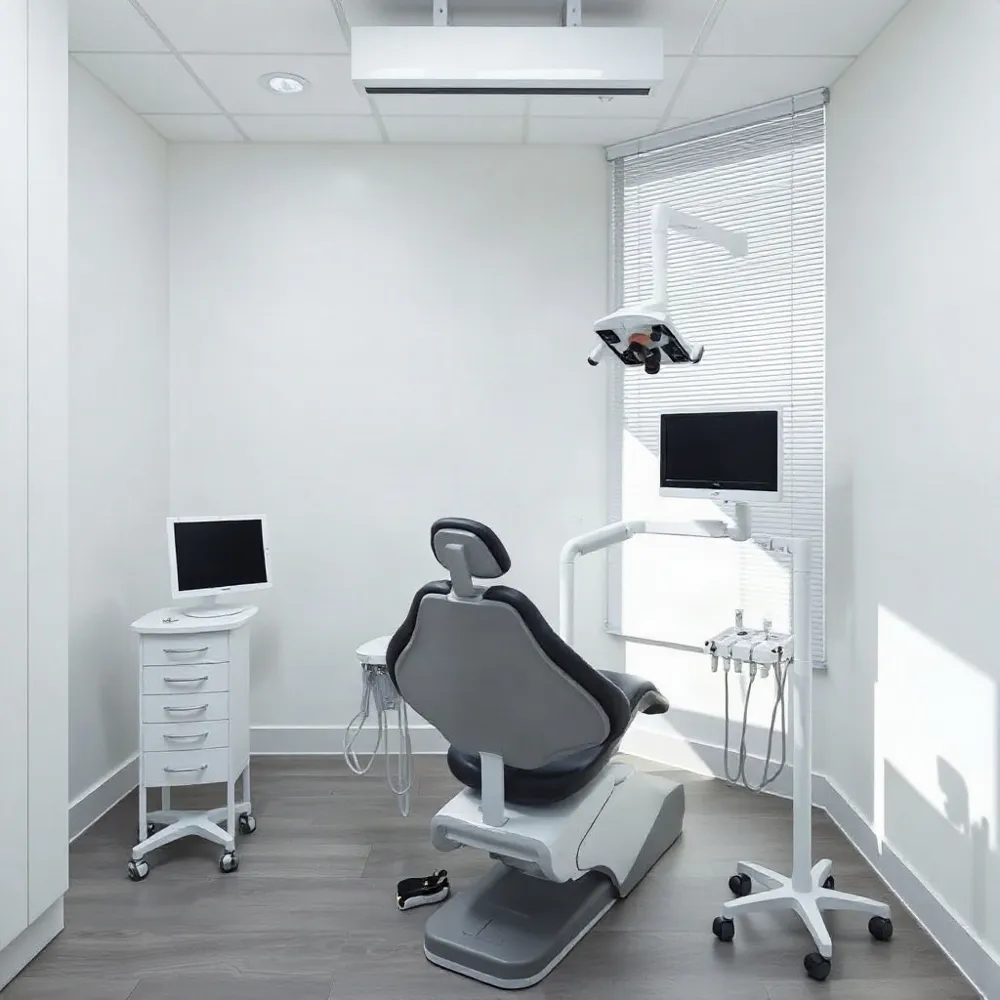 The common dental sedation options are nitrous oxide, oral conscious sedation, and intravenous (IV) sedation. They differ in how medication is given and how deeply it may affect alertness. A dentist considers anxiety, procedure length, health, and patient preferences when discussing a suitable approach, as Cleveland Clinic’s overview of sedation dentistry explains. Not every option is appropriate for every patient or offered by every practice.
How do the options differ?
Nitrous oxide is breathed through a mask or nosepiece and often begins to promote calm within minutes. The dentist gives oxygen afterward to clear the gas, and recovery is usually quick. Oral sedation uses prescription medication taken before treatment. It can cause marked drowsiness, and the dentist can wake a patient if a response is needed.
IV sedation delivers medication through a vein. A provider monitors the patient, including heart rate and blood pressure, and adjusts the dose as needed. Patients may sleep or remember little of treatment. Beforehand, the team reviews health and medications and provides preparation instructions; patients receiving IV sedation should arrange a ride home and follow recovery guidance.
What medications are used for oral and IV dental sedation?
Oral sedation may involve prescription medicines such as triazolam, lorazepam, or zaleplon. The medication for IV sedation depends on the patient and care plan. A qualified professional selects the drug and dose. Never take a sedative except as directed, and follow the dental team’s transportation and recovery instructions.
Safety Depends on Individual Assessment
Sedation can make dental treatment feel more manageable, but it is not risk-free. Suitability and risk depend on the method and dose, the planned procedure, and your health. At V Dental, treatment planning is personalized, so share your health concerns and questions before discussing sedation.
Possible side effects include dry mouth, prolonged drowsiness, headache, nausea or vomiting, and bruising where an IV was placed. Allergic reactions are also possible. Tell the dental team about any symptoms or previous reactions, and ask when to contact the office after treatment. The Cleveland Clinic overview of sedation dentistry notes that many side effects resolve within a day, but patients should seek guidance if they remain groggy or feel unwell.
Deeper sedation calls for careful patient selection, appropriate monitoring, attention to airway safety, and trained clinicians. The American Society of Anesthesiologists’ recommendations for dental-office sedation address training, monitoring, and emergency readiness. Ask what monitoring and recovery guidance apply to the option being considered, and what alternatives may suit your care.
Some health conditions or circumstances may call for extra assessment or a different approach. Tell your dental professional about medical conditions, prescription medicines, supplements, allergies, pregnancy, sleep apnea, and any prior reaction to sedation. Do not stop medication on your own; the clinician can review your history and explain whether changes or additional precautions are appropriate.
Plan Ahead for Oral Sedation
How should you prepare for oral dental sedation? Start by asking your dental team for instructions specific to the medication and treatment. They can tell you when to take the prescribed medicine, whether to avoid food or drink, and whether any regular medicines need adjustment. Fasting requirements vary, so follow the instructions you receive rather than a general timeline.
Before the appointment, share any health changes and provide a complete list of medicines and supplements. Mention allergies, past reactions to sedation, and pregnancy-related concerns, since these details may affect the care plan. A dentist may review medicines that interact with sedation, but do not stop or change a prescription unless your dental team directs you to do so. Cleveland Clinic’s guidance on sedation dentistry also advises patients to get individualized preparation instructions.
Oral sedation can cause drowsiness and affect alertness after treatment. Arrange for a responsible adult to take you to and from the appointment, and plan for help afterward if needed. Do not drive or make important decisions while impaired; follow your dentist’s specific recovery directions.
At V Dental in Live Oak, patients can discuss sedation options as part of a personalized treatment plan. Bring your questions and an up-to-date health and medication list so the team can review your circumstances and explain the instructions for your care.
Recovery, Coverage, and Next Steps
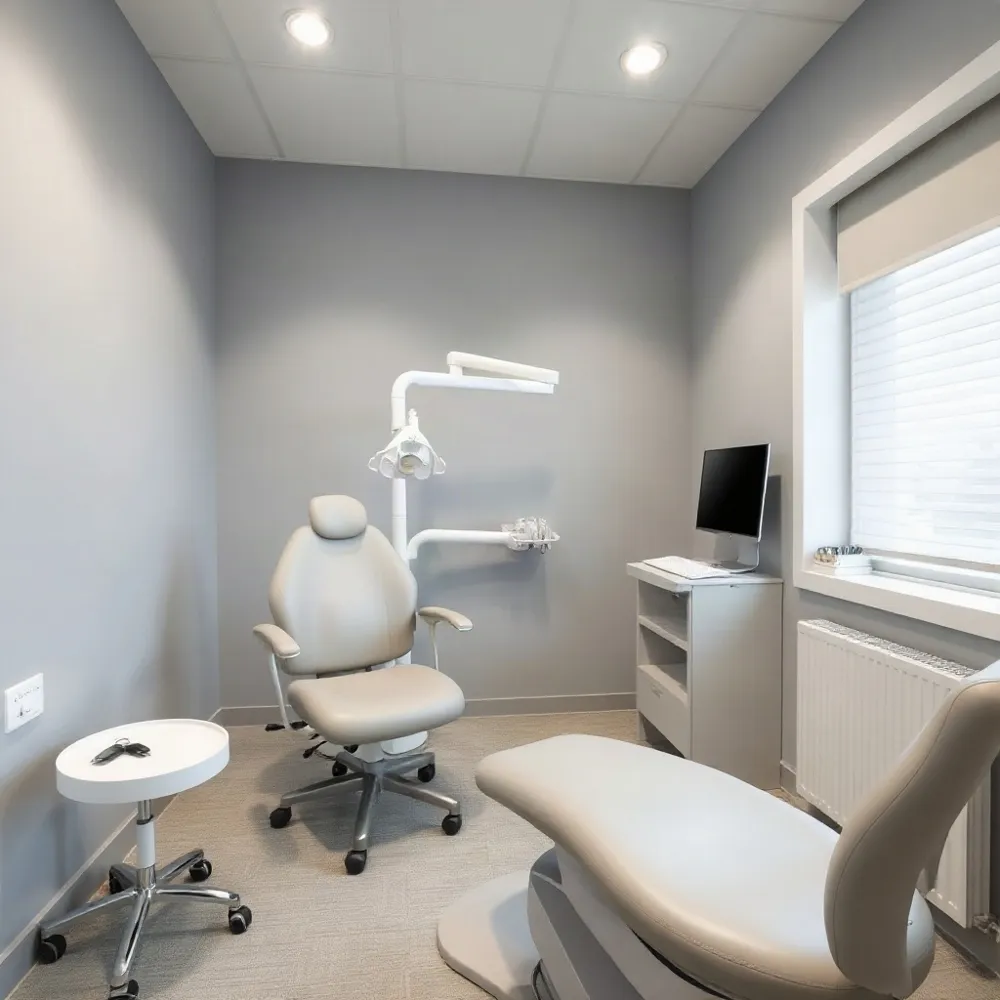
How long does it take to recover from dental sedation?
Recovery depends on the method, dose, procedure, and your individual response. Nitrous oxide usually clears quickly, while oral or IV sedation can leave you drowsy for hours, with recovery taking up to 24 hours. Cleveland Clinic’s overview of sedation dentistry describes these general timelines, but your own instructions should come from your dental team.
Plan transportation, rest, and supervision according to your dentist’s guidance. The Cleveland Clinic advises not driving for 24 hours after oral or IV sedation. Contact the dental office if grogginess lasts beyond 24 hours or if you have symptoms that concern you.
Does dental insurance cover sedation dentistry, and how much does it cost?
Coverage and fees vary by insurance plan, provider, procedure, and the reason sedation is recommended. The available medical sources do not establish a reliable price range or guarantee that insurance will cover sedation. Ask your insurer whether benefits or preauthorization apply, and request a written estimate from the dental office before treatment.
For patients in Live Oak and nearby communities, a direct conversation with V Dental can clarify which options are available, whether an approach may suit your health and treatment needs, what it may cost, and which preparation instructions apply. Confirm transportation and recovery arrangements before the appointment.
Make the Conversation Part of Care
Sedation may make dental treatment feel more manageable, but it is not a one-size-fits-all solution. The right approach depends on your health, medications, anxiety, and planned treatment, so a dentist should help assess whether it is appropriate. Cleveland Clinic’s overview of sedation dentistry explains the common options and why individual factors matter.
At V Dental in Live Oak, personalized treatment planning and modern tools such as CBCT 3D imaging and iTero 3D scanning support care tailored to each patient. Tell the dental team what feels difficult, whether that is needles, discomfort, or sitting through treatment, and ask which options are available.
Before deciding, ask about potential risks, medication and fasting instructions, transportation, recovery time, and expected costs. Clear answers can help you choose a plan that fits your needs and prepare for the appointment.