Build A Routine That Lasts
Invisalign treatment uses a series of removable clear aligners to move teeth gradually. Because the trays can be taken out, progress depends on wearing them consistently and following the schedule set by your treating dentist. Your plan should reflect your teeth and treatment needs, not a general timetable.
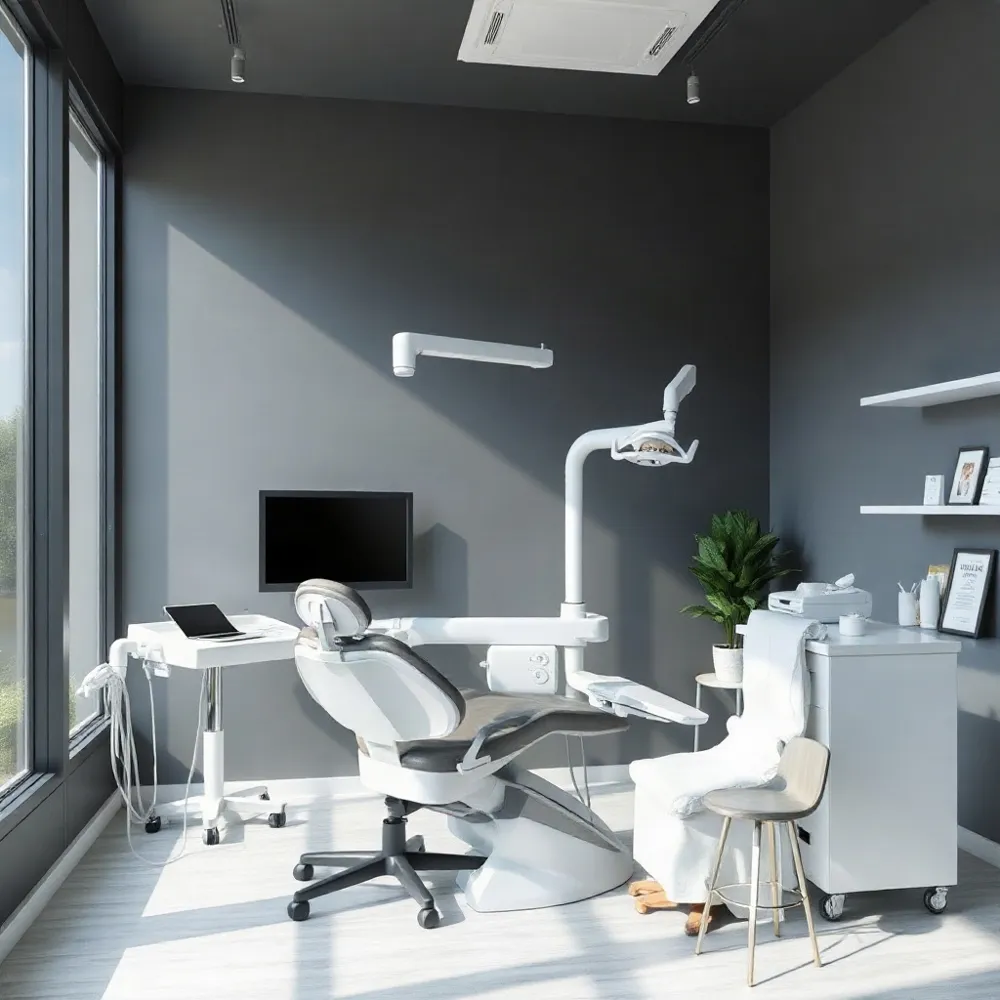
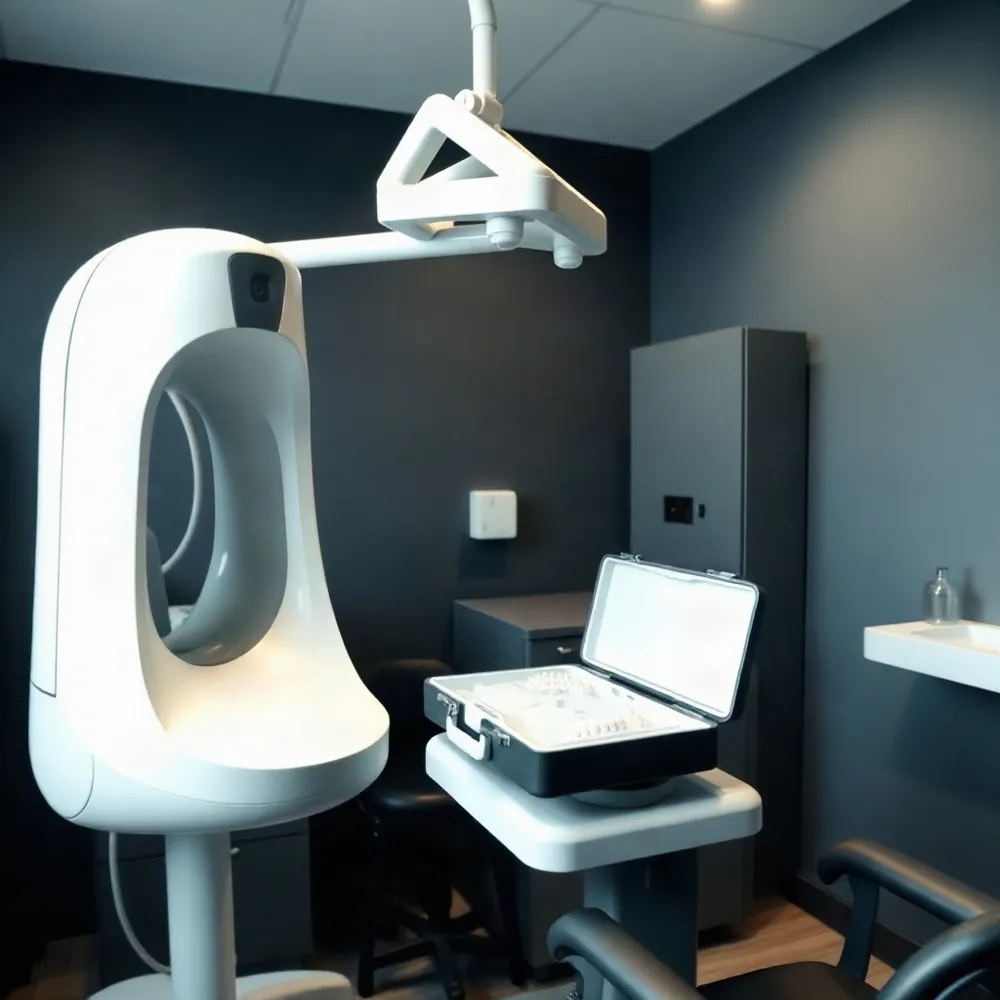
At V Dental in Live Oak, treatment planning can include iTero 3D scanning to capture a digital model of your teeth. The scan helps the dental team plan your care and review how aligners fit as treatment progresses.
A practical routine makes daily care easier: meet your prescribed wear target, plan meals around aligner breaks, clean your teeth and trays, follow instructions for each new set, and keep aligners safe when they are out. The sections ahead explain how to build these habits and when to ask your dentist for guidance.
Invisalign Care Guidance
- Follow your dentist’s prescribed wear schedule; many plans call for about 20–22 hours daily, but individual instructions take precedence.
- Remove aligners for all food and drinks other than plain water, and put them back in promptly after eating and oral care.
- Frequent or lengthy breaks may slow tooth movement, affect tray fit, extend treatment, or require refinement trays.
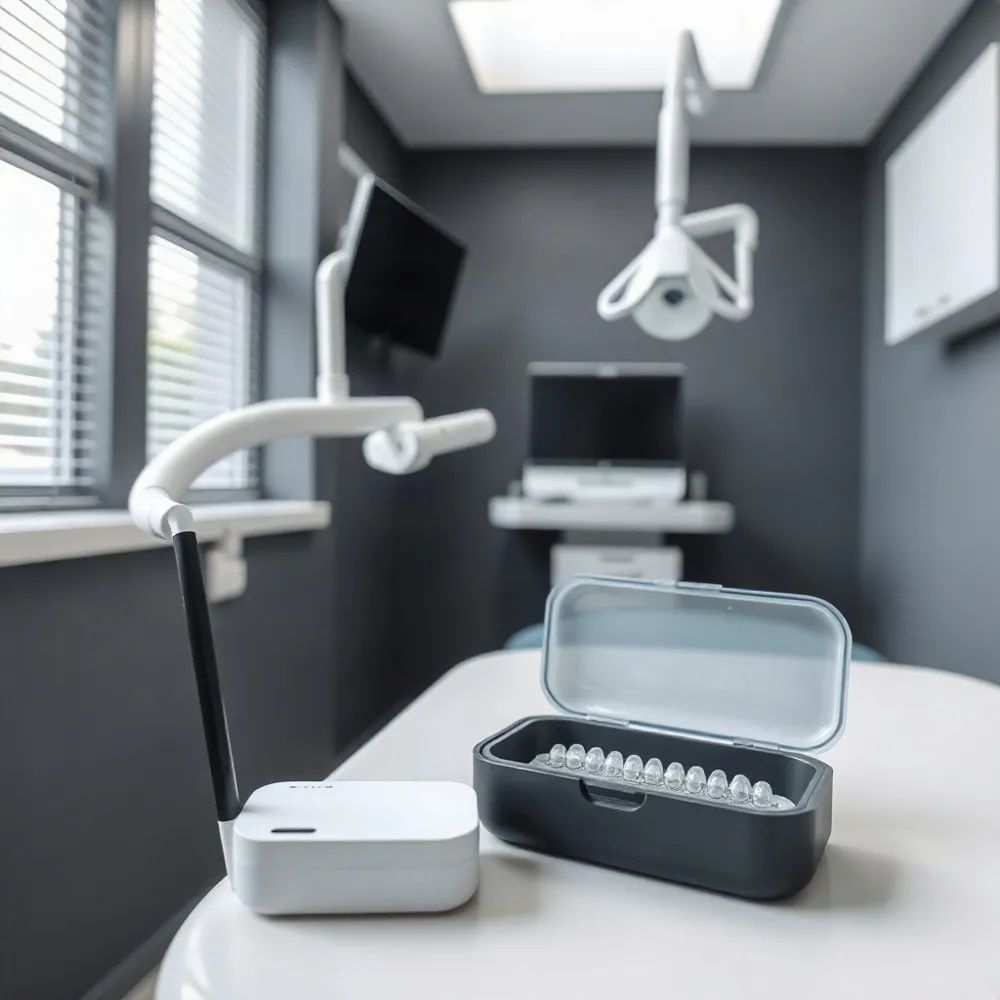
- Store aligners in their protective case when removed to reduce the risk of losing or damaging them.
- After meals, brush and floss before reinserting when practical; if you cannot, rinse your mouth with water and clean your teeth when possible.
- Rinse aligners when removed and gently clean them with a soft-bristled brush and a dentist-approved method; rinse thoroughly before reinsertion.
- Avoid hot water, which can warp aligners, and abrasive toothpaste, which can scratch them; follow clinician and product instructions.
- Change trays only on the dentist’s schedule; do not switch early, extend wear, or force a tray that will not seat properly.
- Mild pressure or tenderness may occur with a new tray; contact the dental team about severe or persistent pain, poor fit, or ongoing concerns.
- Treatment length and retainer wear are individualized; attend checkups and follow your clinician’s guidance on progress, retainers, and any proposed treatment adjustments.
1. Make Consistent Wear Your Daily Priority
 Many Invisalign treatment plans call for wearing aligners about 20 to 22 hours a day. Your dentist sets the schedule for your case, so follow that guidance rather than treating a general target as a substitute for your plan.
Remove aligners for meals, drinks other than water, and brushing and flossing. Put them back in promptly after oral care. Frequent or lengthy breaks can slow tooth movement, affect how trays fit, extend treatment, or mean additional refinement trays are needed. Occasional missed time may not undo progress, but ask your dentist how to proceed after a substantial gap instead of changing your tray schedule yourself.
Simple cues can make consistent wear easier. Set phone reminders for reinsertion, track time out if that helps, and keep your case and oral-care supplies handy. At V Dental, digital treatment planning with iTero 3D scanning supports personalized care, while your clinician can clarify the wear schedule and address concerns about fit or missed time.
2. Plan Meals Around Your Aligners
 Remove your aligners before eating anything, including snacks. Chewing can crack or distort the trays, and food caught underneath them may irritate teeth or contribute to decay. While wearing them, choose plain, cool or room-temperature water. Take aligners out for other drinks, especially hot, sugary, acidic, or dark beverages, which can affect the plastic or leave residue against your teeth.
Put trays in their protective case during meals instead of wrapping them in a napkin or leaving them on a table, where they can be lost or damaged. After eating, brush and floss before reinserting when practical. If you cannot clean your teeth right away, rinse your mouth with water first, then follow your dentist’s instructions about cleaning and reinsertion.
Can you eat or drink while wearing Invisalign?
No. Remove aligners for food and all drinks other than plain water, then clean your mouth before putting them back in. Planning meals and limiting unnecessary removals can help preserve the wear time prescribed for your treatment.
What is the 30-minute rule for Invisalign?
It is a practical reminder to put aligners back in promptly after eating or oral care, rather than leaving them out longer than necessary. It is not a substitute for your dentist’s instructions, which take precedence. At V Dental, treatment plans are personalized, so patients should confirm their own wear and reinsertion guidance with their clinician.
3. Keep Teeth And Trays Clean
 Close-fitting aligners can hold food debris and plaque against your teeth. Cleaning your teeth and trays regularly helps limit buildup and reduce the risk of cavities.
After meals, brush your teeth and floss before reinserting your aligners when possible. A small travel kit with a case, toothbrush, toothpaste, and floss can make this routine easier at work, school, or while traveling. At V Dental, digital X-rays and iTero 3D scanning support care tailored to each patient, including guidance from the treating clinician on aligner care.
How should you clean Invisalign aligners, and how often should you clean them?
Rinse aligners whenever you remove them, then gently clean them with a soft-bristled brush and a method approved by your dentist. Rinse thoroughly before putting them back in. Make tray cleaning part of your morning and evening routine, and clean your teeth before reinserting aligners after meals.
Avoid hot water, which can warp the plastic, and abrasive toothpaste, which can scratch it. Cleaning products vary, so follow your clinician’s advice and the product directions. If brushing is not possible immediately after eating, rinse your mouth with water and brush when you can.
4. Follow The Plan For Each New Tray
Each aligner set is part of an individual treatment sequence. Follow your dentist’s instructions for when to change trays, and don’t switch early or extend wear on your own. At V Dental, treatment plans are personalized, so your clinician’s schedule should guide each change.
When inserting a new tray, press it gently into place and check that it sits snugly against your teeth. Use chewies only if your dentist recommends them. A persistent gap or tray that will not seat properly is a reason to contact your dental team, not to force the fit or change sets.
How should you manage Invisalign discomfort, especially when starting treatment or switching trays?
Mild pressure or tenderness can occur with a new set and often eases as your mouth adjusts. Keep wearing the aligners as prescribed; soft foods and cool water may feel more comfortable while teeth are tender. If you notice a temporary lisp, reading aloud or practicing conversation can help you adapt.
Contact your dental team about severe or persistent pain, a tray that will not fit, or ongoing concerns about whether your teeth are following the plan. V Dental uses iTero 3D scanning as part of its digital treatment planning, and your clinician can assess fit and advise what to do next.
5. Protect Your Routine And Treatment Progress
A little preparation can help keep aligners safe and your routine steady, especially when the day takes you away from home. Keep trays in their case whenever they are out of your mouth, rather than placing them in a napkin or loose in a bag where they could be lost or damaged.
A compact kit with a case, toothbrush, toothpaste, and floss can make it easier to clean up after meals at work, school, or while traveling. Phone reminders or a simple wear-time log may also help you remember to put aligners back in. At V Dental, treatment planning can include iTero 3D scanning, giving the dental team digital records to support individualized care.
Keep recommended dental checkups so your clinician can assess how the aligners fit, monitor tooth movement, and answer questions. If a tray feels wrong or your routine has been interrupted, tell the dental team rather than changing the schedule yourself. V Dental creates personalized treatment plans, with instructions tailored to each patient.
How long does Invisalign treatment usually take, and how long should you wear retainers afterward?
Treatment duration varies with the complexity of tooth movement and how consistently aligners are worn, so your dentist is best placed to estimate a timeline for your case. After active treatment, a removable retainer may be recommended to help maintain tooth position. Its initial and ongoing wear schedule is individual, so follow your dentist’s instructions and attend recommended checkups.
Can Invisalign Treatment Be Sped Up?
Trying to speed up tooth movement on your own can disrupt the treatment plan. The safest way to support steady progress is to wear aligners for the hours prescribed by your dentist, change trays only on schedule, and attend checkups so your provider can assess fit and progress.
Can you speed up Invisalign treatment safely?
Treatment time varies with case complexity and how your teeth respond. Do not switch to a new tray early or use devices marketed to accelerate movement unless your dentist approves them. If you want to know whether adjustments are suitable, ask your treating clinician, who can review your progress and recommend changes if needed.
At V Dental, Invisalign care includes personalized treatment plans and iTero 3D scanning, which can support treatment planning and progress checks. The clinician’s instructions remain the guide for tray changes and any adjustments.
Small Habits Support Steady Progress
Steady Invisalign progress depends on a set of ordinary habits: wearing aligners as prescribed, planning meals so trays go back in promptly, cleaning teeth and aligners, and changing trays only on the schedule your clinician gives you. Regular professional check-ins help your dental team assess fit and progress. At V Dental, digital X-rays and iTero 3D scanning support personalized treatment planning and monitoring.
If an aligner feels unusually loose or tight, does not seat properly, or causes persistent discomfort, contact your dental team for guidance. The same applies if you miss wear time or are unsure when to switch trays. Your provider can advise whether to stay with the current set or adjust the plan. Avoid changing trays early or altering an aligner on your own; individualized instructions are safer than guesswork.