Prevention Begins With Regular Care
Professional cleanings are one part of protecting oral health over time. They work alongside daily brushing and cleaning between teeth, which help control plaque between appointments. At V Dental in Live Oak, care plans are personalized to each patient’s needs, rather than treating a routine schedule as one-size-fits-all.
Many people benefit from dental visits every six months, but that interval is not a universal rule. The American Dental Association’s home-care guidance says visit frequency should reflect individual risk and needs. A dentist can recommend a schedule based on oral health history and current conditions.
Regular visits allow dental professionals to remove buildup that home care may miss and assess teeth and gums for developing concerns. The National Institute of Dental and Craniofacial Research explains that hardened tartar requires professional cleaning. The right interval depends on each patient’s circumstances, so discuss your schedule with your dental team.
Choosing Your Cleaning Schedule
 Many people benefit from a professional cleaning and checkup about every six months, but that interval is not right for everyone. The American Dental Association says there is no single optimal schedule for all patients; visit timing should reflect individual risk and needs, as explained in its home oral care guidance.
Your dentist may consider gum health, cavity history, medical conditions, and how well daily brushing and cleaning between teeth control plaque. People with periodontal disease or other elevated risks may need visits more often, sometimes every three to four months. Those with consistently healthy gums and low risk may be advised to come less often.
At V Dental in Live Oak, the schedule can be discussed as part of a personalized treatment plan, with the dentist considering your oral and medical history. Tell the dental team about health changes and concerns, then revisit the plan if your circumstances change. Regular brushing with fluoride toothpaste and daily cleaning between teeth help support oral health between appointments; the American Dental Association’s recommendations also encourage patients to work with their dentist on a routine suited to them.
What Professional Cleanings Accomplish
A professional cleaning combines hands-on care with a closer look at your teeth and gums. A hygienist checks for visible concerns, then uses specialized tools to remove plaque and hardened tartar. Tartar cannot be brushed or flossed away at home, so professional cleaning can clear buildup in areas your daily routine may miss. The hygienist may also polish your teeth and clean between them.
These steps help reduce the risk of tooth decay and gum disease, but they do not prevent every oral health problem. The National Institute of Dental and Craniofacial Research explains that professional cleaning removes tartar and that routine checkups support healthy teeth and gums. Regular visits also give a dentist a chance to spot concerns early, when they may be simpler to address.
A visit may take about 30 to 60 minutes, depending on your needs and the amount of buildup. Fluoride treatment or X-rays may be recommended when appropriate, not automatically at every cleaning. At V Dental in Live Oak, digital X-rays and intraoral cameras support examinations, while preventive care is part of the practice’s services. Your dentist can explain which steps make sense for you.
A Broader Preventive Care Plan
Routine care can include an exam, a professional cleaning, and X-rays when they are clinically appropriate. Together, these services help a dentist assess teeth and gums and look for early signs of decay or other concerns. The ADA’s guidance on evidence-based dental care emphasizes that decisions should account for a patient’s health, history, and needs.
Depending on cavity risk, a dentist may recommend fluoride to strengthen enamel or sealants to protect the grooves of back teeth. Visits also provide time to assess gum health and tailor brushing, flossing, and other home-care advice. The ADA’s home-care recommendations support daily brushing with fluoride toothpaste and cleaning between teeth, while noting that professional care should reflect individual needs.
At V Dental in Live Oak, personalized treatment planning is part of the practice’s approach, and the clinic uses digital X-rays and CBCT 3D imaging. These tools are not needed at every visit; the dentist determines whether imaging is appropriate for the patient.
Many dental plans cover preventive services, but the details vary. Coverage may depend on visit limits, deductibles, copays, network rules, and an annual benefit maximum. Check your policy and ask the dental office to verify benefits and estimate fees before care. V Dental offers flexible financing, but no particular insurance coverage or price should be assumed without confirming the plan and treatment details.
Daily Habits That Protect Gums
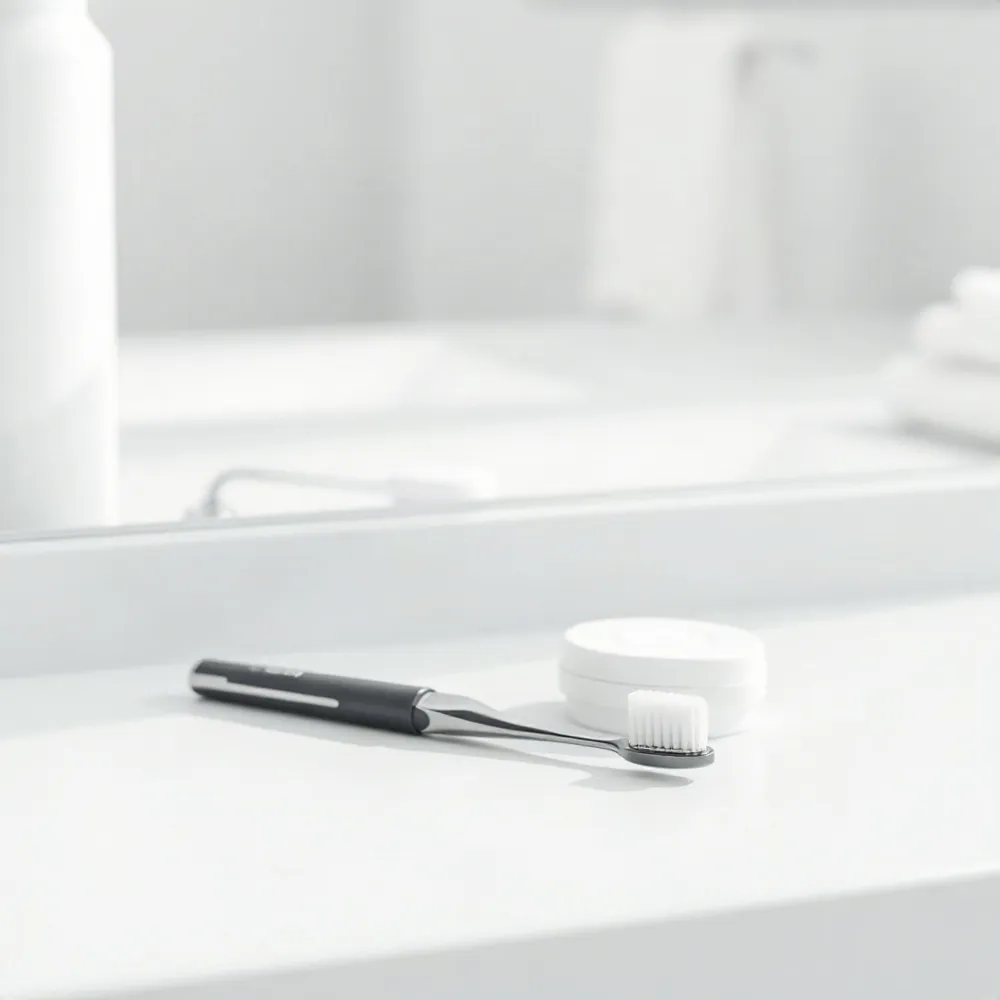 A steady home routine helps control plaque along the gumline and between teeth. Brush twice a day for two minutes with fluoride toothpaste and a soft-bristled brush. Angle the bristles toward the gumline and clean every surface without scrubbing hard.
Clean between your teeth once daily with floss or another interdental cleaner. If string floss is difficult to manage, options include interdental brushes or a water flosser; a dental professional can help you choose a tool you can use consistently. The ADA’s home-care guidance also emphasizes daily brushing and interdental cleaning as parts of personalized oral care.
Limit sugary foods and drinks, and avoid tobacco, which can raise the risk of gum disease. Watch for bleeding, swelling, redness, receding gums, persistent bad breath, or loose teeth. These changes warrant dental advice rather than more forceful brushing.
Home care works alongside professional exams and cleanings, not in place of them. At V Dental, digital X-rays and intraoral cameras can support a closer assessment when clinically appropriate, while the team can tailor guidance to your needs.
Recognizing and Treating Gum Disease
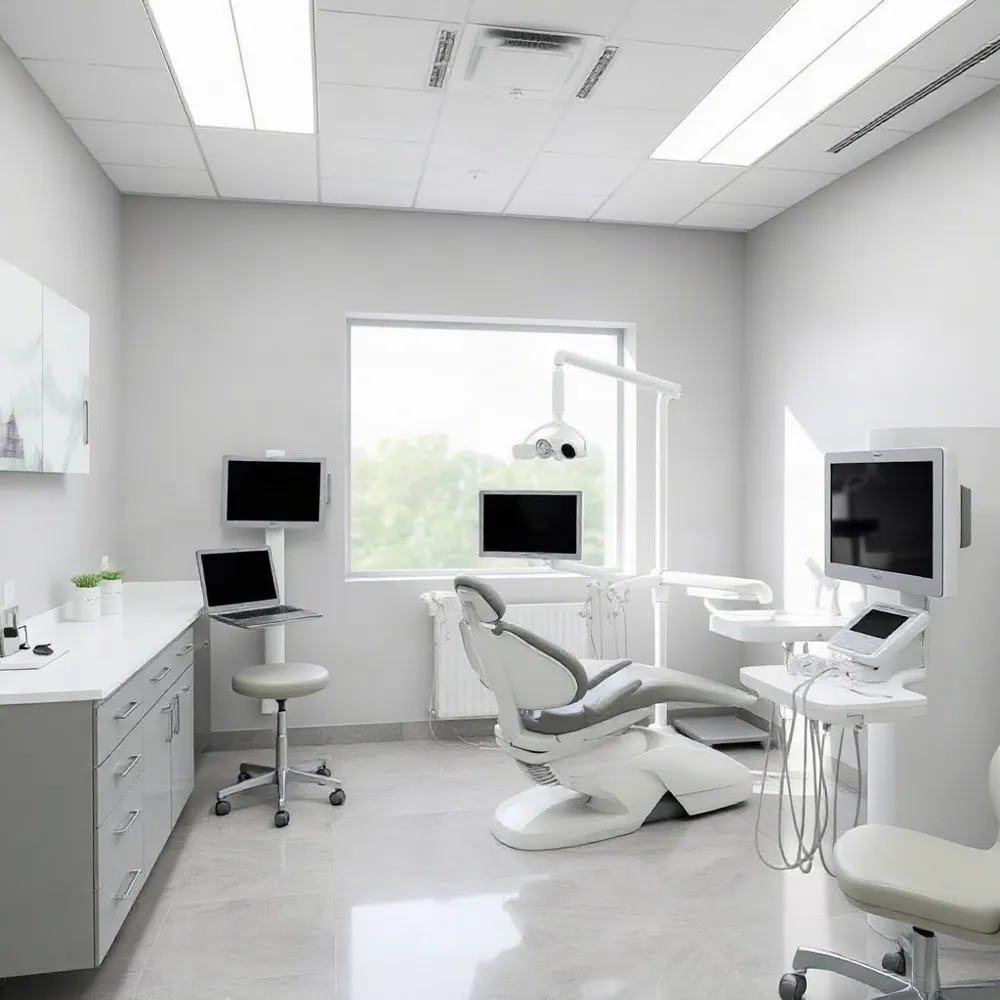 Gums that look red or swollen, feel tender, or bleed during brushing or flossing can signal gum disease. Persistent bad breath, an unpleasant taste, or gums pulling away from the teeth are also reasons to arrange a dental exam. Early gum disease may have few noticeable symptoms, so the absence of pain does not rule it out.
As disease advances, it may cause pain when chewing, tooth sensitivity, loose teeth, or changes in how teeth fit together. The National Institute of Dental and Craniofacial Research explains that plaque-related gum inflammation can progress if buildup is not addressed. These signs call for professional evaluation, not self-diagnosis.
Treatment depends on the stage. Gingivitis, the earlier form, can often improve with professional cleaning and consistent brushing and flossing. Periodontitis affects deeper tissues and may require scaling and root planing to clean below the gumline, followed by periodontal maintenance or other care recommended by a dental professional.
At V Dental in Live Oak, an exam can help assess symptoms and guide an appropriate plan. Its digital X-rays and intraoral cameras support clinical evaluation, while care recommendations can account for a patient’s health history and needs. If you notice changes in your gums or teeth, schedule an exam promptly to discuss them.
Oral Health Beyond the Mouth
Oral health is part of overall health. Tooth decay and gum disease can cause pain and infection, and make eating difficult. Oral germs and inflammation may also affect health elsewhere in the body.
Research has found associations between gum disease and conditions such as diabetes and cardiovascular disease. These links do not prove that gum disease causes those conditions, or that dental cleanings prevent them. Mayo Clinic’s overview of oral health explains how oral health and general health can influence one another.
The relationship works in both directions. Diabetes can make it harder for the body to fight infection, so gum problems may be more difficult to manage. Some medicines can also reduce saliva, which normally helps wash away food and balance acids in the mouth.
Tell your dentist about medical conditions, new diagnoses, and changes to your medicines. At V Dental in Live Oak, personalized treatment plans can account for a patient’s health history. Daily brushing and flossing, along with regular dental visits, give the dental team a chance to assess changes and address concerns early. The American Dental Association’s home-care guidance also emphasizes tailoring care to individual needs.
Make Prevention Personal
Professional cleanings can remove hardened buildup that brushing and flossing cannot, while giving your dental team a chance to check your teeth and gums. Daily brushing with fluoride toothpaste and cleaning between teeth remain essential between visits.
A visit every six months is common, but it is not a universal requirement. Your dentist can recommend an interval and prevention plan based on your oral health, medical history, and any changes in your needs. At V Dental in Live Oak, personalized treatment plans and digital imaging help inform care decisions.
If you notice bleeding, discomfort, or another change, ask a dental professional what to do. You can also discuss home-care tools and products, how often to schedule visits, and what your insurance covers. For patients weighing costs, V Dental offers flexible financing. A conversation with your dentist can help make your next step clear.